KVKK requirements for Dell Storage backup are not limited to taking copies of data. They also require backup copies to be managed for confidentiality, integrity, and availability. The short answer is this: in the March 19, 2026 context, a KVKK-aligned Dell Storage backup design must identify which personal data exists inside backup copies, separate access and restore roles, enable encryption and logging, define retention and disposal clearly, and test restore procedures regularly. This guide is written for teams building a Dell Storage protection model that is defensible both operationally and from a compliance perspective.
This guide is especially for:
- IT teams running KVKK compliance programs
- storage and backup administrators
- information security leaders
- organizations protecting critical data on Dell Storage
Quick Summary
- From a KVKK perspective, backup is not just a second copy. The backup copy itself must also be protected as personal data.
- Article 12 of the law and KVKK guidance expect technical and administrative safeguards to extend into the backup layer.
- Encryption, access control, logging, and restore testing are basic requirements.
- Dell technologies such as PowerProtect and Dell Storage data-protection features provide the technical layer, but compliance still depends on process and governance.
- Snapshot, replication, and backup are not the same thing. Their purpose, retention, and access models must be separated.
- The most common mistake is producing backups without defining who can access them, how long they are kept, and how restore actions are approved.
Table of Contents
- What Does a KVKK Backup Requirement Mean?
- What Are the Minimum Control Areas for March 19, 2026?
- Which Technical Building Blocks Matter on the Dell Side?
- Why Must Snapshot, Replication, and Backup Be Governed Separately?
- What KVKK Backup Mistakes Happen Most Often?
- Checklist
- Frequently Asked Questions

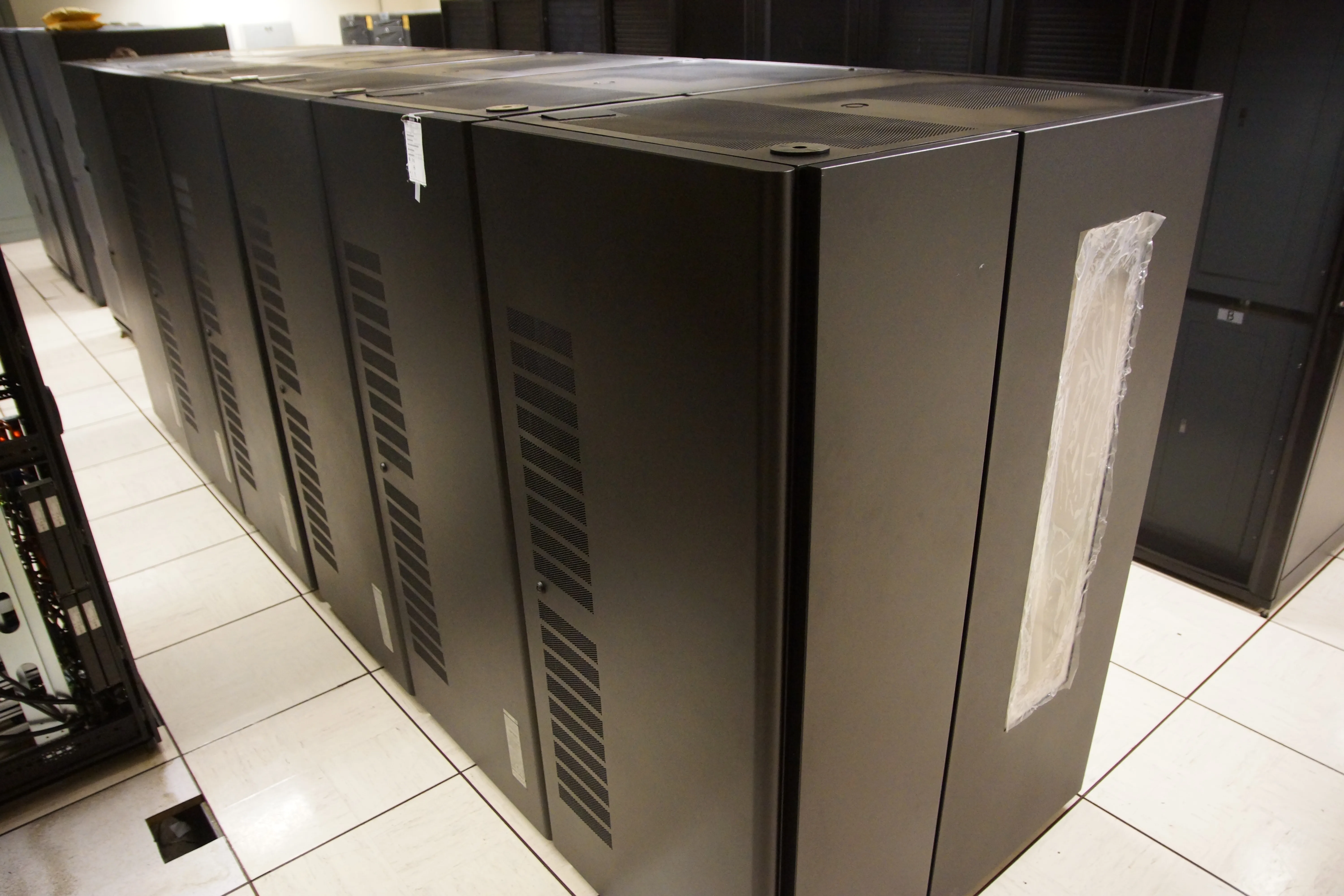
Image: Wikimedia Commons - Media storage.
What Does a KVKK Backup Requirement Mean?
From a KVKK perspective, the backup system is another layer that stores second or third copies of personal data. That means many of the same security expectations that apply to production data also apply to backups. In practice, these questions must be answered clearly:
- which personal-data classes exist in the backups?
- who can access those backups?
- who can approve a restore?
- how long are copies retained?
- how are expired backup copies handled?
- are access and restore events logged?
KVKK guidance expects data-security safeguards to cover all electronic data copies, not just the primary production dataset. That is why the backup layer must be treated as its own security domain.
What Are the Minimum Control Areas for March 19, 2026?
In the March 19, 2026 context, a KVKK-aligned Dell Storage backup design should at minimum define these areas:
1. Data classification
You cannot design the right backup policy unless you know which volumes, file shares, or datasets contain personal data. This is especially important for:
- employee data
- customer data
- logs and export files
- test or copied environments
2. Access control and role separation
The backup administrator, storage administrator, and restore approver should be separated wherever possible. A model where everyone who can touch backups can also freely restore production data creates unnecessary KVKK risk.
3. Encryption
Backup data should be protected both in transit and at rest. This becomes even more important for replicated copies, remote-site copies, and secondary backup repositories.
4. Logging and evidence
You should be able to prove later who took a backup, who started a restore, and who accessed the copy.
5. Retention and disposal discipline
Backups are not archives that should live forever. KVKK requires backup retention and disposal logic to be defined deliberately.
6. Restore testing
Taking backups is not enough. The organization must verify regularly that recovery actually works.
Which Technical Building Blocks Matter on the Dell Side?
On the Dell side, the backup requirement is usually implemented with these technical layers:
- Dell PowerProtect DD as a backup target
- PowerProtect Data Manager for centralized protection policies
- PowerStore snapshot and replication based protection features
- copies moved into separate locations or separate security zones
The critical distinction is this: Dell products provide the technical foundation for protection, but KVKK alignment is only achieved when retention, access control, logging, and disposal processes are also defined correctly.
For example, snapshot and replication flows on PowerStore can be valuable parts of the overall protection design. But a snapshot alone is not always sufficient for long-term, more independent, or more isolated protection needs. Likewise, PowerProtect provides centralized orchestration, but restore authority and approval workflow still need to be defined inside the organization.
Why Must Snapshot, Replication, and Backup Be Governed Separately?
When these three concepts are mixed together, KVKK alignment becomes weaker:
- Snapshot is useful for fast rollback and short-term protection.
- Replication supports business continuity and remote-site readiness.
- Backup provides a more independent and more governable copy strategy.
For KVKK, each copy type should answer these questions:
- what is its purpose?
- what is its access model?
- what is its retention period?
- how will disposal be handled?
Without that separation, organizations often mistake snapshot for backup or replication for a full compliance-ready data-protection model.
Related content:
What KVKK Backup Mistakes Happen Most Often?
Keeping backups without encryption
Creating backup copies while leaving the storage or transfer layer weak increases breach impact significantly.
Distributing restore authority too broadly
A restore operation creates practical access to personal data. That authority should not be uncontrolled.
Never defining retention periods
A “keep it forever in case we need it” mindset is not defensible under KVKK. Backup copies also require a documented purpose and retention basis.
Treating snapshot as the same as backup
Fast-copy mechanisms and more independent backup architectures do not carry the same risk model.
Never testing restores
A backup that has never been tested is a control that looks real on paper but can fail when the organization actually needs it.
Checklist
- Storage areas containing personal data were inventoried
- The role of backup, snapshot, and replication was separated clearly
- An access-role matrix was defined for backup data
- Encryption and logging policy were validated
- Retention and disposal policy explicitly includes the backup layer
- Restore tests were scheduled regularly
- Remote or secondary-copy security was reviewed separately
Next Step with Leon-X
KVKK requirements for Dell Storage backup are not just about selecting technology. They require data classification, retention policy, logging, and recovery governance to work together. Leon-X helps organizations align Dell Storage and backup architecture with KVKK expectations so the protection model becomes more defensible and more secure.
Related pages:
Frequently Asked Questions
Is backup legally mandatory under KVKK?
KVKK does not mandate one specific vendor product or one single technology by name. But under the law’s security obligations, appropriate technical and administrative safeguards are expected, and backup is a foundational safeguard for most organizations.
Does snapshot replace backup?
Not always. Snapshot is highly valuable for fast rollback, but it does not automatically replace a more independent backup strategy.
Are backup copies also personal data?
Yes, if they contain personal data. That is why access control, encryption, retention, and disposal logic must also apply to the backup layer.
Do Dell products alone make the environment KVKK compliant?
No. Dell products provide the technical foundation, but compliance also requires role separation, retention logic, disposal procedures, and auditable governance.
Why is restore testing so critical?
Because an untested recovery path can fail when the organization actually needs it, weakening both security and business continuity.
Conclusion
KVKK requirements for Dell Storage backup are not just about increasing the number of copies. In the March 19, 2026 context, the correct approach is to treat the backup layer itself as a personal-data processing surface, restrict restore and access authority, define retention and disposal discipline clearly, and use Dell protection tooling inside that governance model.