Managed Services
Empowering your business with professional management of your corporate systems
From reactive tickets to proactive SLA operations
Buyers evaluating managed IT services are not only asking who will answer the phone. They need 24/7 monitoring, patching, endpoint/antivirus, Exchange/Microsoft 365 operations, file-server management and security controls under one measurable SLA. Leon-X managed services support Ankara-based organizations that want to strengthen internal IT or fully outsource operations. When support stays reactive, every outage creates productivity and trust loss. Proactive operations aim to catch issues before users feel them. That difference shows up in business-impact math, not just a monthly invoice line.
Classic break/fix support creates expensive surprises because intervention starts after users feel the pain. A proactive model prioritizes monitoring thresholds, incident classification, change control and periodic health checks. Without disciplined firewall/EDR/antivirus management, backup validation and patch windows, “we have support” does not equal continuity. Delayed patches and unmanaged endpoints quietly accumulate risk. Alerts without action procedures become noise. Leon-X makes alert → classify → respond → close an operations standard.
Managed file-server services deliver fast value where permission sprawl, share growth and backup inconsistency are common. Exchange and Microsoft 365 operations prevent mail flow, identity, licensing and security policies from becoming fragmented. For many SMBs these domains sit at the intersection of productivity and security risk. Permission sprawl raises leak risk; weak mailbox and conditional-access controls invite identity attacks. Central operations make these weaknesses visible and manageable, while user-support load is standardized in the same model.
Outsourcing fails without a clear SLA. Response targets, ownership, monthly reporting and change-approval rules must be explicit. Leon-X defines scope with a responsibility matrix and reporting cadence so managed service is not a black box. Transparency builds trust with internal IT and leadership. If out-of-scope handling is unclear, the relationship erodes. That is why onboarding designs expectation management alongside tooling.
Security and continuity are core, not optional add-ons. Endpoint protection, network/security device management and backup/restore testing belong in the same operational discipline. Otherwise monitoring exists while response lags, or backups exist while restores fail. Without restore drills, patch calendars and policy reviews, the “we are protected” assumption is misleading. If lessons after incidents are not written into process, the same event repeats. Leon-X ties security controls into a monthly operating rhythm. Monthly service reports should show more than ticket counts: recurring root causes, patch compliance, backup success rates and critical-alert closure times. With that reporting, leadership tracks the SLA numerically rather than emotionally. Leon-X clarifies the metric set during onboarding with internal IT and avoids vanity metrics that do not drive decisions.
When scaling needs arise, managed-service scope can expand for a new location, cloud workload or security control. Modular scope is healthier than a rigid menu for growing organizations. Leon-X manages scope changes through a change process so “not in the contract” debates decrease. That flexibility is the foundation of a long-term operating partnership.
Communication-channel design is also part of success: clear escalation for critical alerts, a standard ticket path for user requests and periodic briefings for leadership. Mixed channels reduce both user experience and response quality. Leon-X tunes the priority matrix to live systems during onboarding and calibrates thresholds to real traffic in the first 30–60 days. Without that calibration, the SLA stays on paper.
Finally, trust in a managed-service relationship is built by repeatable delivery: consistently closed incidents, coherent reports and predictable improvement steps. Leon-X keeps that rhythm to reduce the risk of a strong first month followed by drift. As the organization grows, the operating model stays ready to scale.
Our managed services offer is a risk-and-load reduction model, not a generic cost slogan. Discovery maps tools, critical systems and support gaps; then monitoring, patching, user support and security layers are onboarded in stages. Controlled onboarding is preferred over an abrupt handoff so continuity is preserved and team adaptation stays manageable. The goal is less firefighting and more predictable IT operations.
Decision criteria for managed services
We unify 24/7 monitoring, patching and incident response under one SLA.
We operationally manage file servers, Exchange/M365 and endpoint security.
We sustain firewall/EDR/antivirus layers with periodic health checks.
We make managed service transparent with ownership matrices and reporting.
Managed service needs vary by sector
We adapt SLA packages to critical systems and shift realities instead of applying one template everywhere.
Managed Services Benefits
The benefits your business will gain from professional IT management
Cost Savings
Average savings on IT personnel costs
Uninterrupted Service
Uninterrupted IT service with expert support
System Uptime
System uptime with proactive monitoring
Our Services
Service
Support
Uptime
Years
Managed services FAQ
Classic support mostly reacts to tickets. Managed service uses monitoring, patching, security and health checks to manage issues before they escalate.
Yes. Permissions, backup and identity/mail security are handled in one operations model because user experience depends on these systems working together.
Scope is tailored to critical systems and continuity needs. Without monitoring, however, a proactive SLA promise is not realistic.
Yes. Many clients choose co-management: internal IT owns business priorities while Leon-X runs monitoring, patching, security and selected operations.
We start with discovery and a risk map, prioritize critical systems, then take over monitoring and support layers in stages—not with an abrupt handoff.
Leave IT Management to the Experts
Optimize your IT operations and reduce costs with our managed services.
Related Managed Services Posts
Move into articles that support SLA, security, monitoring and operational service delivery.
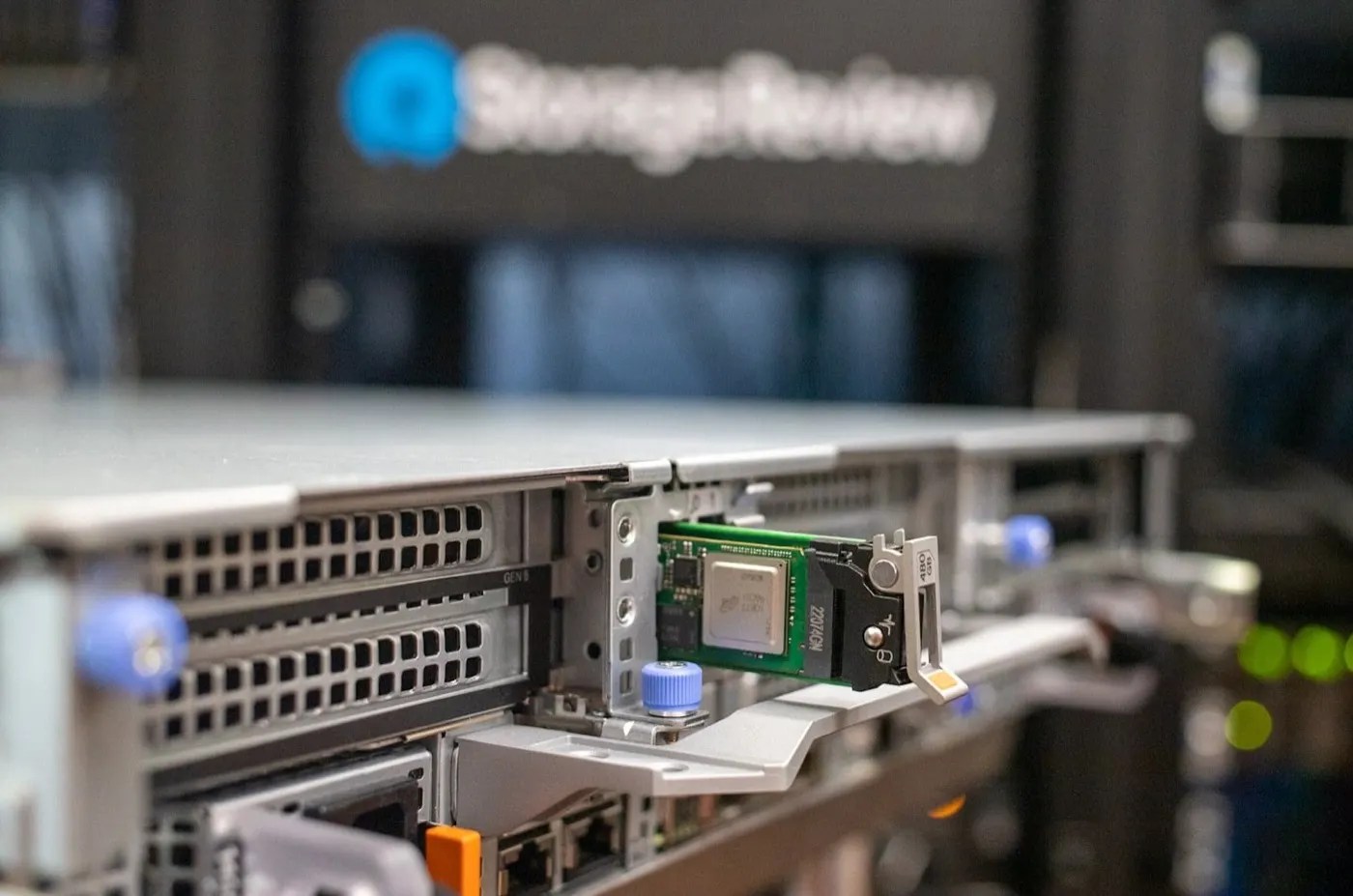
Dell Server Firmware Incompatibility: How to Fix It (2026)
Dell PowerEdge firmware incompatibility: wrong package, generation/catalog errors, iDRAC downgrade RAC0181, dependency order, and safe baseline alignment playbook.
Read Article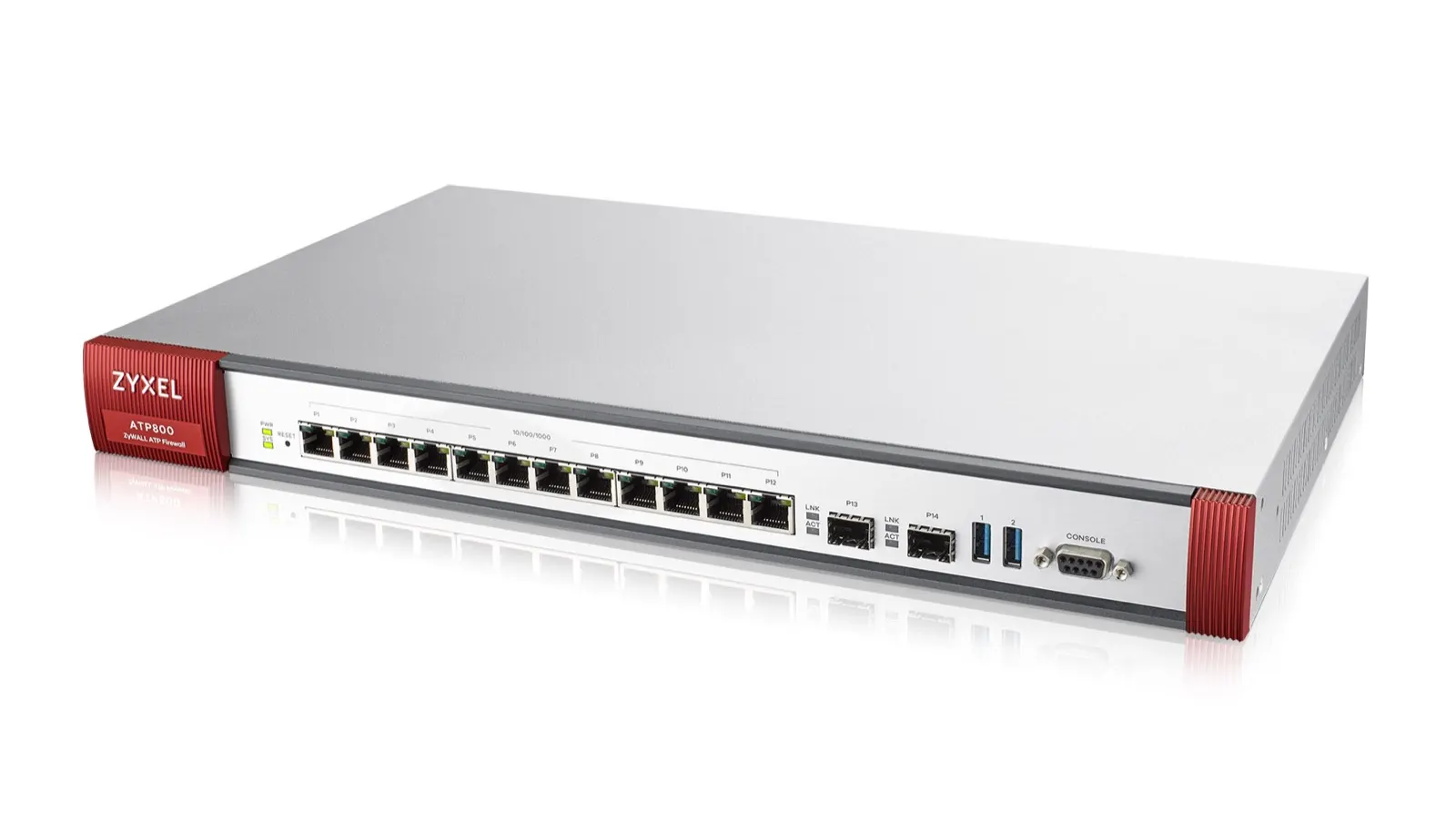
How to Configure FortiGate Logging: Syslog, Disk, and FortiAnalyzer (2026)
How to set up FortiGate logging: traffic/event/security logs, disk vs syslog, FortiAnalyzer, retention, and practical settings for 5651/ISO 27001 evidence.
Read Article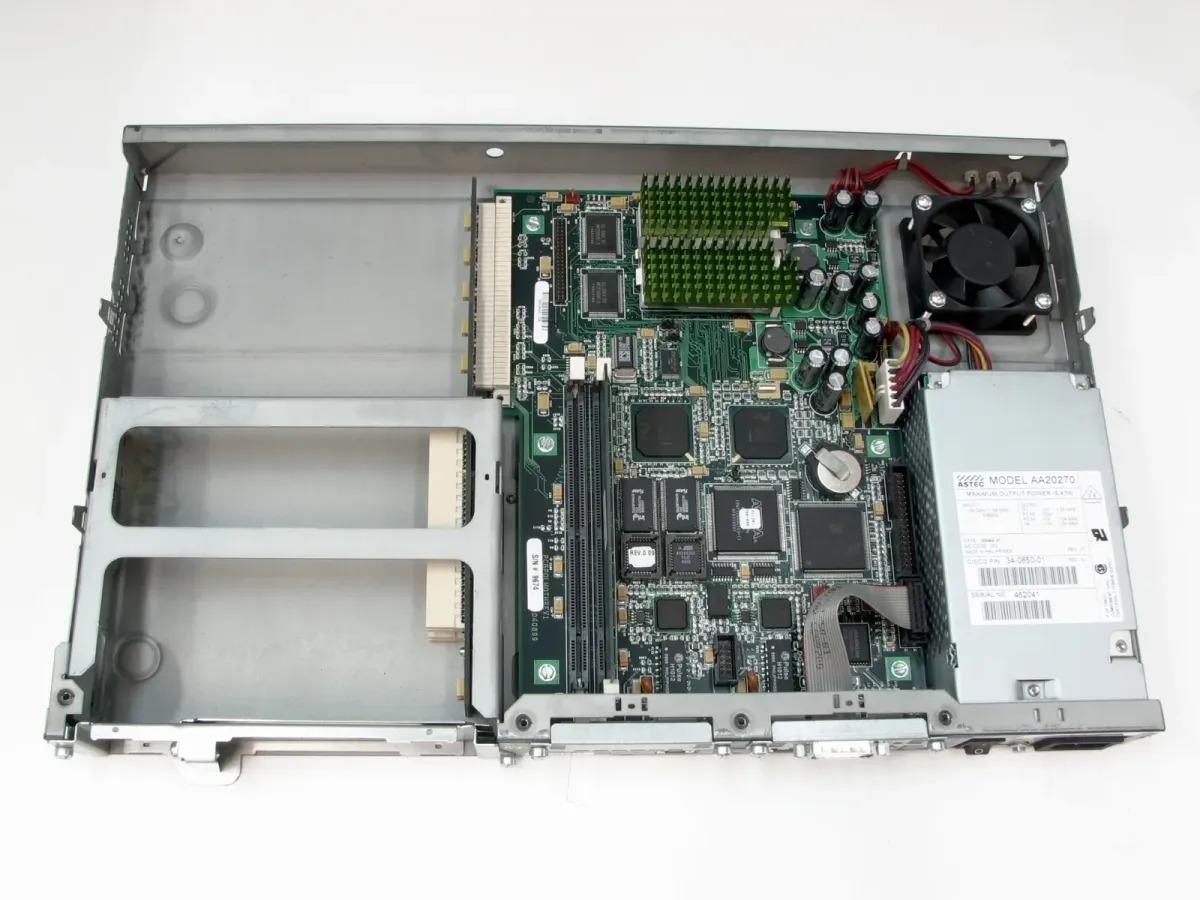
How to Update FortiGate Firmware Safely (2026 Guide)
FortiGate firmware update steps: version selection, backups, maintenance windows, GUI/TFTP install, HA nonstop upgrades, and rollback readiness.
Read Article