Cloud Cost and Performance Optimization
We combine FinOps governance with performance engineering to reduce cloud waste and improve workload efficiency.
Outcomes You Can Expect
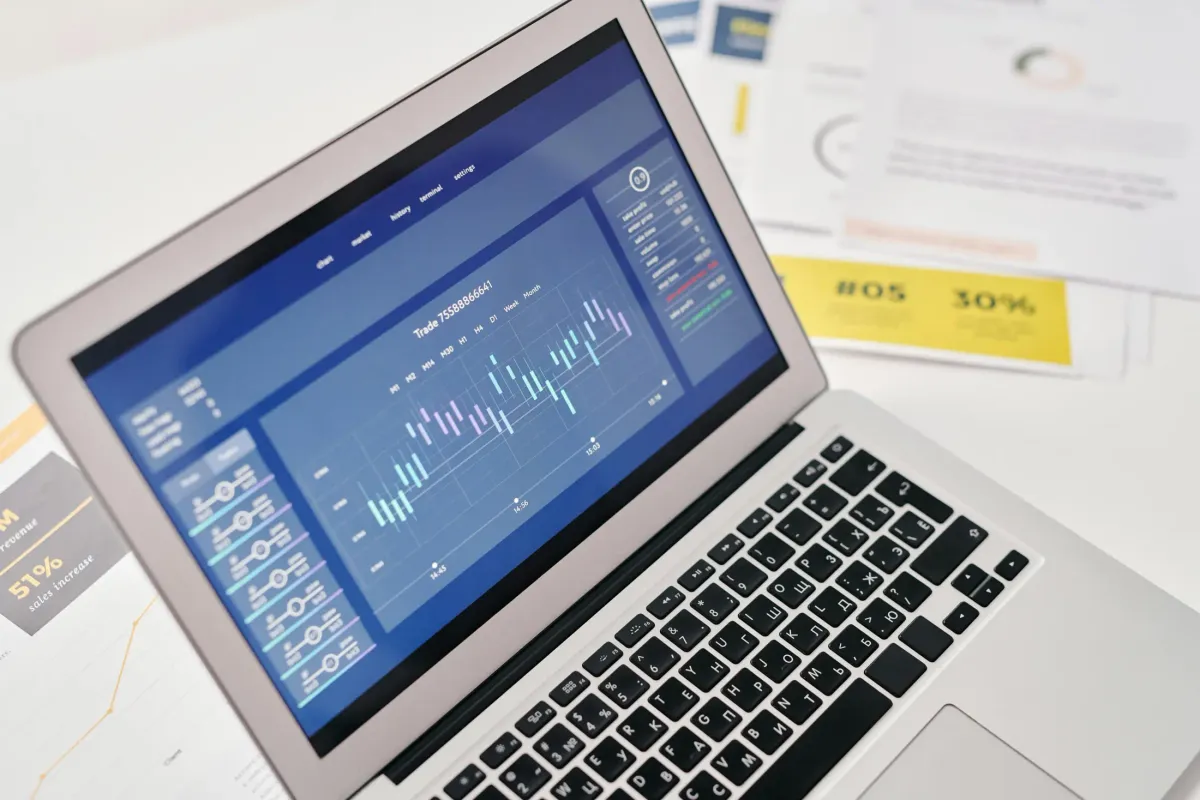
Cost visibility improves, resource usage becomes balanced, and service performance gets more consistent.
Idle resources and overprovisioned services are identified and optimized.
Capacity policies are tuned to workload patterns to reduce bottlenecks.
Budget, tagging, and unit-cost controls make cloud spending governance actionable.
How We Work
We run optimization with workload analytics, policy controls, automation, and continuous governance cycles.
Spending breakdown is analyzed by account, service, and team dimensions.
Compute, storage, and database resources are resized to real workload demand.
Autoscaling, scheduler, and budget alert controls are configured for sustained optimization.
Monthly cost-performance reporting drives recurring optimization decisions.
Optimization KPI Set
We track cloud efficiency with cost, performance, and governance indicators.
Expected average saving impact from rightsizing and policy tuning.
Expected improvement in critical workloads through capacity optimization.
Cloud accounts governed with budget and tagging policy controls.
Regular reporting on spend trends, unit costs, and action status.
Frequently Asked Questions
Not when designed correctly. The goal is to reduce waste while maintaining defined performance and SLA targets.
Usually no. Cloud usage changes continuously, so optimization needs ongoing monitoring and periodic review.
No. FinOps is a cross-functional operating model involving engineering, finance, and leadership teams.
We support optimization across major cloud platforms; exact scope is defined based on your existing architecture.
Related Cloud Pages
Explore migration, hybrid infrastructure, and security pages that complement optimization initiatives.
Control Cloud Spend and Improve Workload Performance
Contact us to launch a cloud cost and performance optimization program tailored to your organization.
Posts Related to This Service
Review guides and implementation scenarios that support this subservice.
7 Most Common Mistakes Companies Make in 5651 Compliance (2026)
The 7 most common 5651 compliance mistakes: scope myths, missing DHCP/NAT, open Wi-Fi, disk-as-archive, NTP, mixing with KVKK, and buying by label.
Read Article
How to Combine Zero Trust with Law No. 5651 Compliance (2026)
Zero Trust and 5651 together: identity, segmentation, Captive Portal, NAT/DHCP logs, ZTNA, and the evidence chain in one architecture.
Read Article
Law No. 5651, Cybersecurity, and Evidentiary Value: An IT View (2026)
How IT should read 5651 logs for cybersecurity and evidentiary value: chain of custody, NTP, NAT/DHCP, timestamps, SIEM, and a practical checklist.
Read Article