VLAN Design and Configuration Service
We structure secure and high-performing enterprise networks by separating user, device, and service traffic with VLAN architecture.
Outcomes You Can Expect
Traffic segregation improves, performance becomes more stable, and network operations are standardized.
Department and service-based VLAN separation reduces unnecessary traffic overhead.
Inter-VLAN access controls improve control over unauthorized network transitions.
VLAN structure scales sustainably for new users, services, and branch growth.
How We Work
We execute VLAN transformation through planning, configuration, testing, and operational handover.
VLAN requirements are defined based on user groups, service types, and access needs.
VLAN IDs, IP addressing, trunk/access strategy, and routing model are designed.
Switch, router, and security device VLAN policies are applied with controlled transition methods.
Connectivity, access, and performance tests are completed and operations documentation is delivered.
VLAN KPI Set
We monitor VLAN effectiveness using access accuracy, performance, and operational indicators.
Target decrease in broadcast load through logical traffic segmentation.
Target continuity level for critical access services after VLAN rollout.
Target compliance for VLAN access controls against defined policy.
Regular reports on VLAN performance, incidents, and improvement actions.
Frequently Asked Questions
It is critical for traffic control, stronger security, and limiting the operational impact of network issues.
Downtime risk is minimized with phased migration planning and maintenance window coordination.
Yes. Existing design can be reviewed to simplify segments and improve control policies.
No. VLAN is a strong control layer but should be combined with firewall, access policy, and monitoring controls.
Related Network Pages
Review segmentation, traffic isolation, and policy management pages that support VLAN architecture.
Strengthen Your Enterprise Network with Better VLAN Design
Contact our team to plan and execute your VLAN design and configuration roadmap.
Posts Related to This Service
Review guides and implementation scenarios that support this subservice.
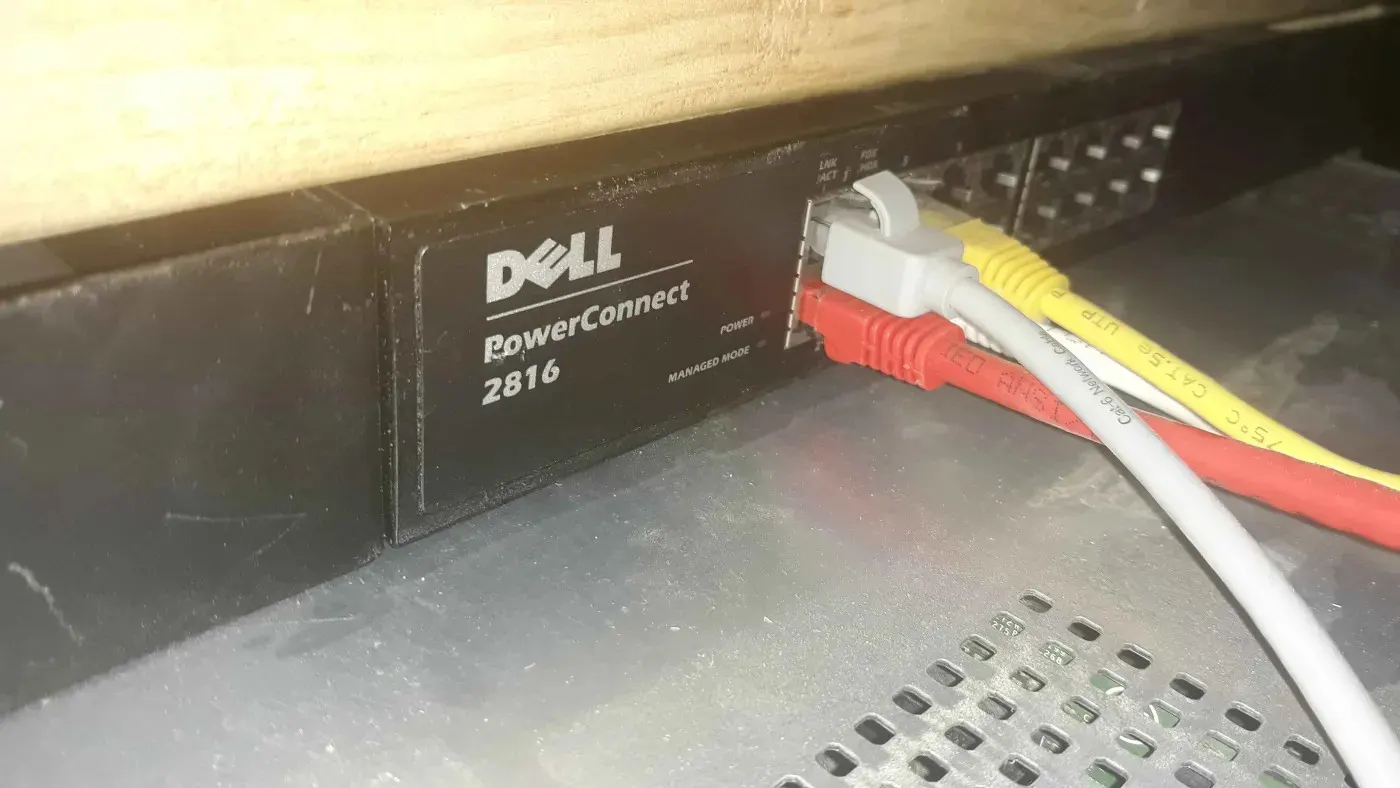
How to Design VMware Network Isolation for KVKK: Guide (2026)
A practical KVKK guide to VMware network isolation across management networks, VM segments, VLANs, distributed switches, firewall zones, logging, and audit evidence.
Read Article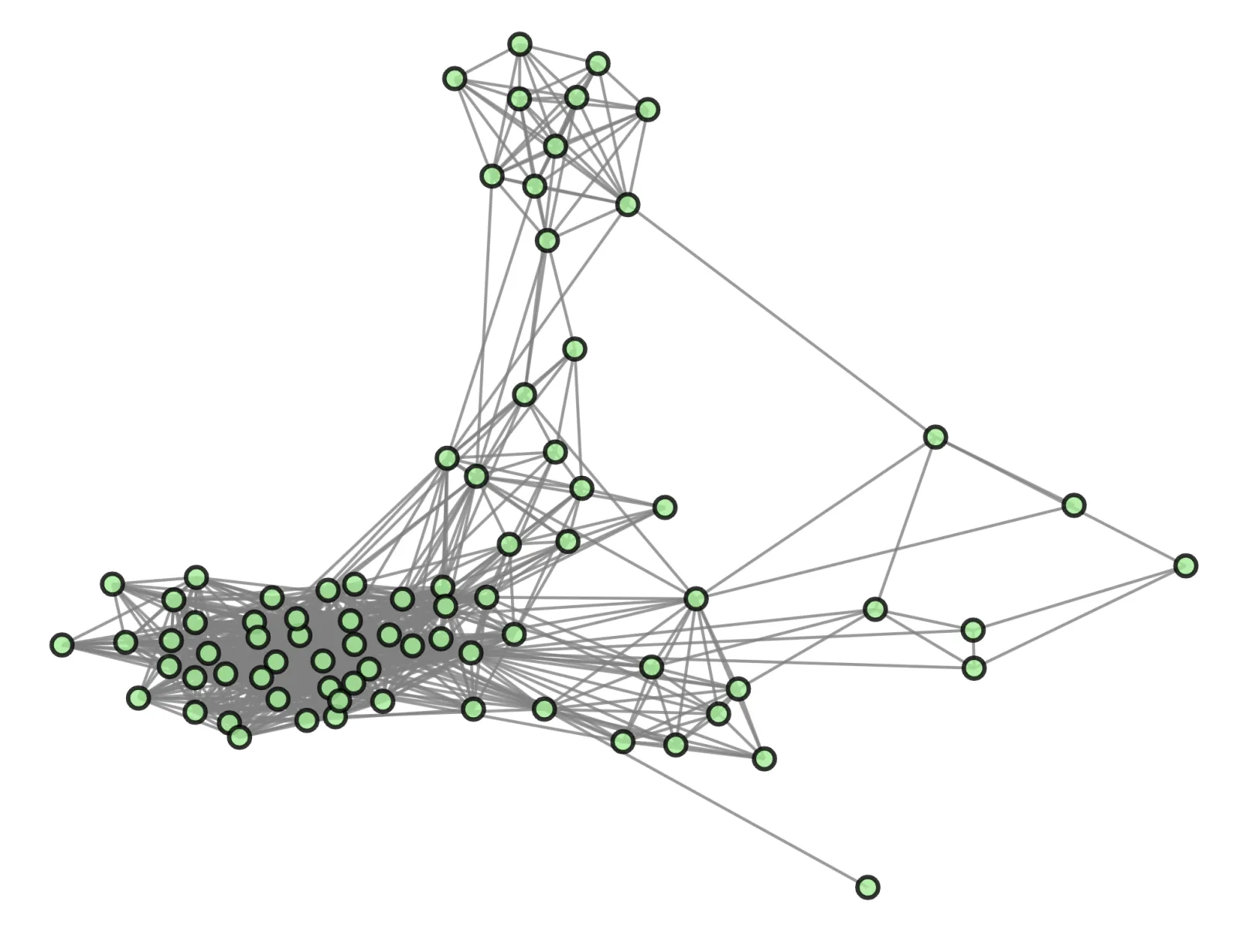
How to Design Zero Trust Network Architecture with Fortinet (2026)
A practical guide to designing Zero Trust Network Architecture with Fortinet, covering FortiGate as trust broker, EMS, posture tags, access proxy, SSL VPN migration, and platform limits.
Read Article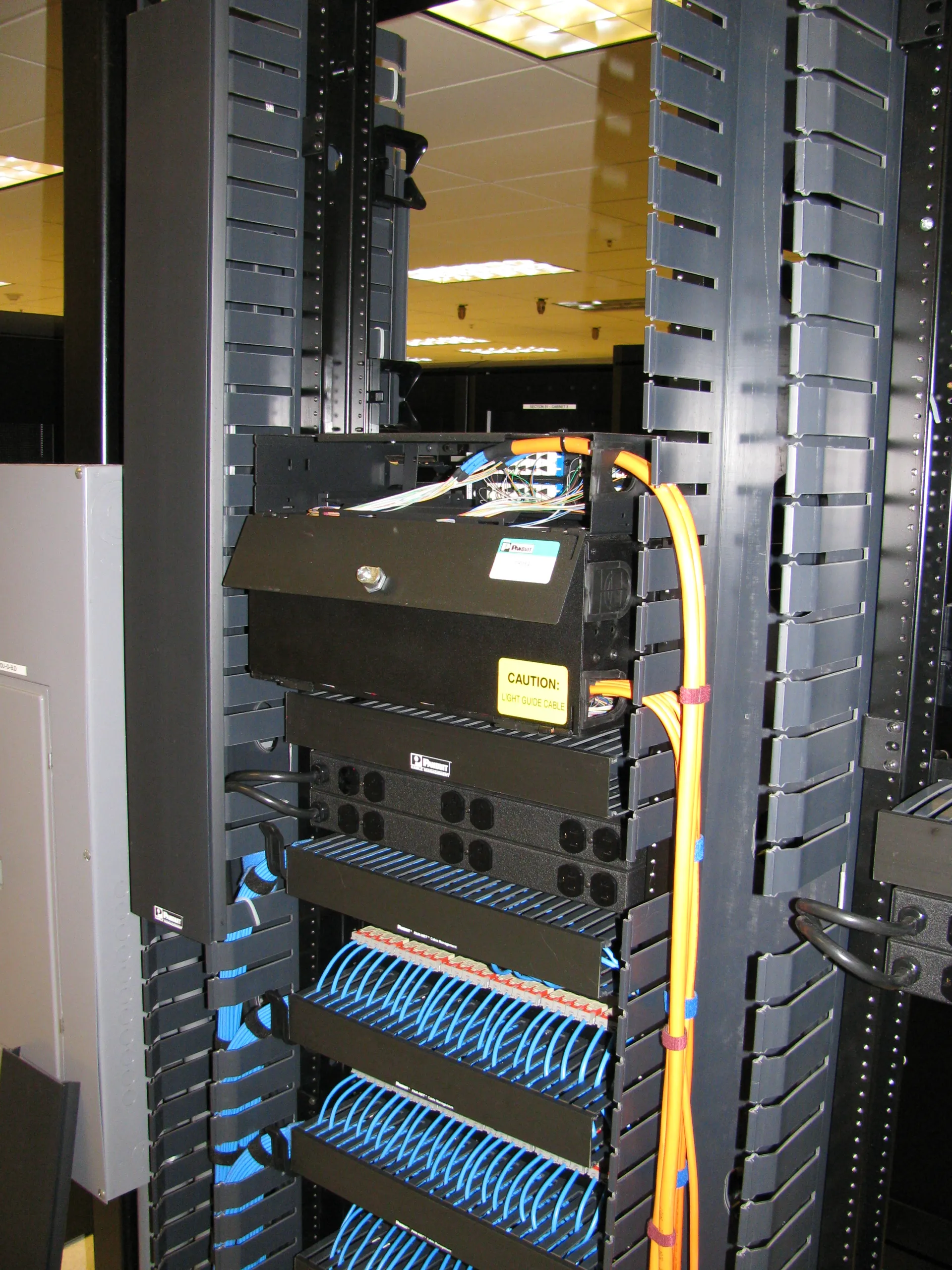
How to Configure VLANs in VMware (2025)
An October 20, 2025 guide to VMware VLAN configuration: explains VLAN ID 0, 1-4094, and 4095, VST/VGT/EST differences, trunk requirements, and the most common VLAN mistakes.
Read Article