VMware storage policy is the management layer that defines how virtual machines should behave on the storage side, not only which datastore they use. The short answer is this: in the January 5, 2026 context, storage policy is not just a label, especially in policy-driven storage models such as vSAN. It is a design tool that can directly shape capacity use, protection expectations, placement behavior, and operational standards. This guide is written for teams that want a more operational understanding of storage policy.
Quick Summary
- In Broadcom’s vSAN terminology, storage policy is one of the central concepts that shape storage behavior.
- A storage policy defines what a workload should expect from storage, rather than forcing every workload into one default model.
- Policy decisions can affect not only protection assumptions but also usable capacity and placement behavior.
- That is why storage policy should not be treated as a cosmetic post-setup setting.
- Different VMs in the same cluster can still operate under different storage-policy assumptions.
- Capacity planning without policy thinking can lead to a false reading of usable storage.
Table of Contents
- What Exactly Is Storage Policy?
- Why Is Storage Policy More Than a Label?
- How Does Storage Policy Affect Capacity?
- Storage Policy and Placement Behavior
- When Should Storage Policy Be Defined?
- What Are Storage Policy Best Practices?
- First 15-Minute Checklist
- Frequently Asked Questions

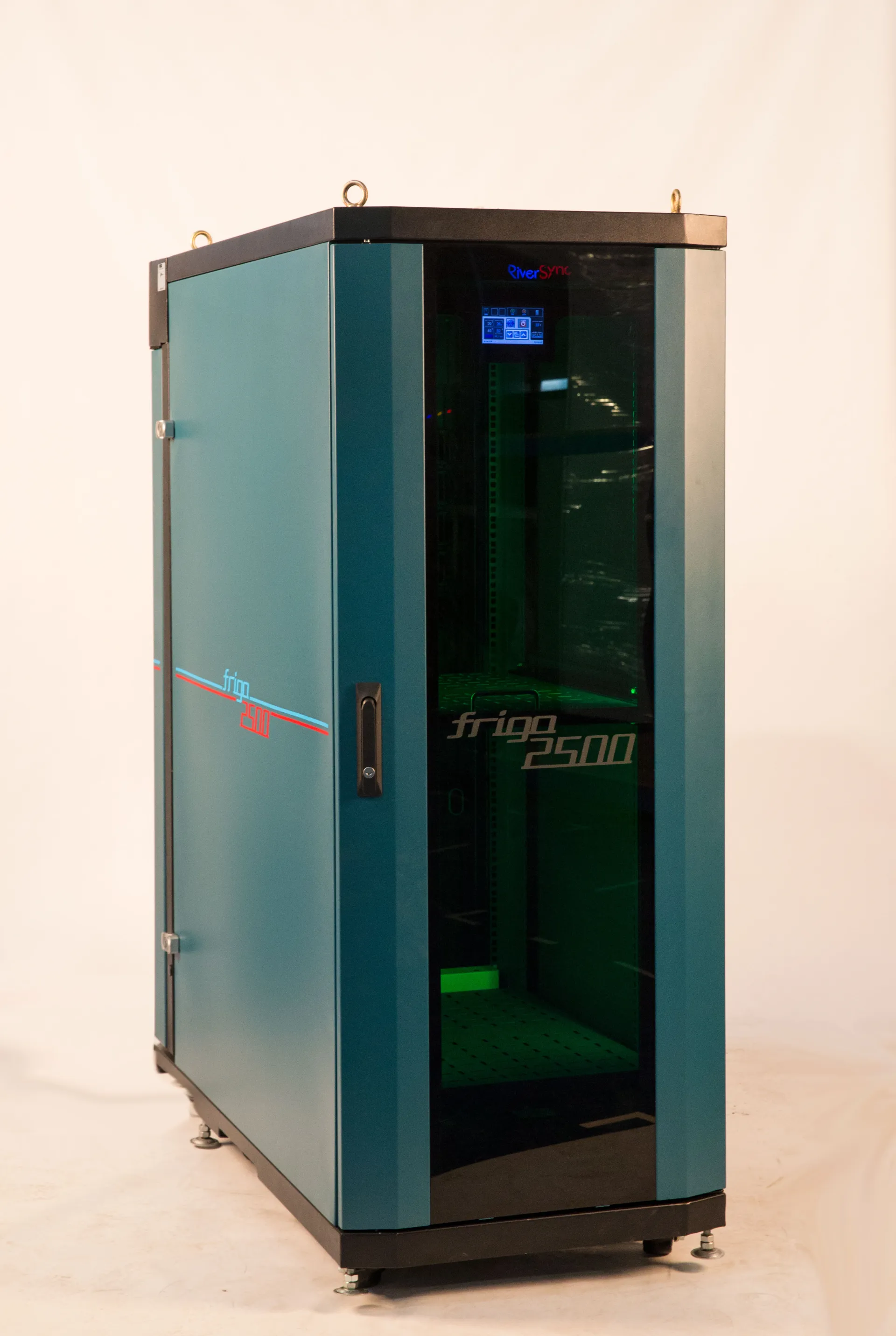
Image: Wikimedia Commons - Micro Data Center.
What Exactly Is Storage Policy?
Storage policy is the rule set that defines how a virtual machine should behave on the storage side. It takes the question beyond “which datastore did I choose?” and turns it into “what storage behavior should this workload expect?”
Its practical value includes:
- giving different workloads different storage behavior
- avoiding one identical model for both critical and non-critical workloads
- tying capacity and protection expectations to workload classes
That makes storage management more intentional and less manual.
Why Is Storage Policy More Than a Label?
Many teams initially read storage policy as a naming or categorization feature. In reality, it is a behavioral design layer.
That means:
- the way a VM is protected can be influenced by policy
- placement behavior can be influenced by policy
- real capacity use can vary depending on policy choice
So treating storage policy like after-the-fact metadata leads to an incomplete architectural model.
How Does Storage Policy Affect Capacity?
One of the most common planning mistakes is to look only at raw disk totals. Storage policy can change how that raw capacity translates into usable capacity.
That is why the better question is not only:
- “how many TB of disks do I have?”
but also:
- “how much storage is truly usable under the policy model I plan to run?”
This becomes especially important in policy-driven storage layers.
Storage Policy and Placement Behavior
Storage policy can also influence placement behavior. Two VMs in the same cluster and on the same datastore do not necessarily need to operate under identical storage assumptions.
That helps teams:
- keep test workloads on a simpler model
- assign more controlled protection to critical workloads
- avoid unnecessary overprotection or unnecessary risk
If policy and placement are not read together, teams will struggle to explain why similar-looking workloads consume or behave differently.
When Should Storage Policy Be Defined?
Storage policy should not be treated as something to remember after setup. The better approach is to shape the policy framework during design.
At minimum, teams should know:
- what workload classes exist
- which protection expectation each class carries
- which policy assumptions capacity planning is based on
That reduces the long-term drift toward “why is every workload forced into the same storage profile?”
Related guides:
What Are Storage Policy Best Practices?
1. Do Not Inflate Policy Count Unnecessarily
Creating a new policy for every small difference makes the system harder to manage. The policy set should stay understandable.
2. Define Workload Classes First
Policies should be driven by workload needs, not by random technical preference.
3. Include Policy Assumptions in Capacity Planning
Capacity planning without policy context becomes misleading.
4. Keep Test and Production Policies Separate
Not every workload needs the same protection model. Treating test like production or production like test creates waste or risk.
5. Document the Purpose of Each Policy
If teams cannot explain why a policy exists, the policy set will eventually become noise.
First 15-Minute Checklist
- Workload classes were defined
- Expected protection assumptions for each class were identified
- Policy impact was included in capacity planning
- Test and production policy models were separated
- The policy set was reviewed for unnecessary complexity
- Critical VMs were checked against the right policy
- Policy purposes were documented clearly
Next Step with Leon-X
When designed well, storage policy gives teams both standardization and flexibility. Leon-X helps teams define workload classes, policy design, and the right balance between protection expectations and usable capacity.
Related pages:
- Hardware & Software Sales
- Managed Services
- Contact
- How Do VMware vSAN Disk Groups Work?
- What Is VMware VMFS?
Frequently Asked Questions
What is VMware storage policy?
Storage policy is the rule set that defines how a VM should behave on the storage side.
Why is storage policy important?
Because it can directly affect protection, placement, and capacity behavior.
Can storage policy really affect capacity?
Yes. In policy-driven storage environments, usable capacity can vary depending on the selected policy.
Does every VM need its own policy?
No. Creating too many policies makes management harder, but meaningful workload-class separation still matters.
When should storage policy be considered?
The strongest approach is to define the policy framework during design rather than treating it as a post-setup detail.
Conclusion
VMware storage policy is one of the core design tools for shaping storage behavior. In the January 5, 2026 context, the right approach is to treat policy not as naming metadata but as an architectural rule set that directly affects capacity, protection, and placement behavior.