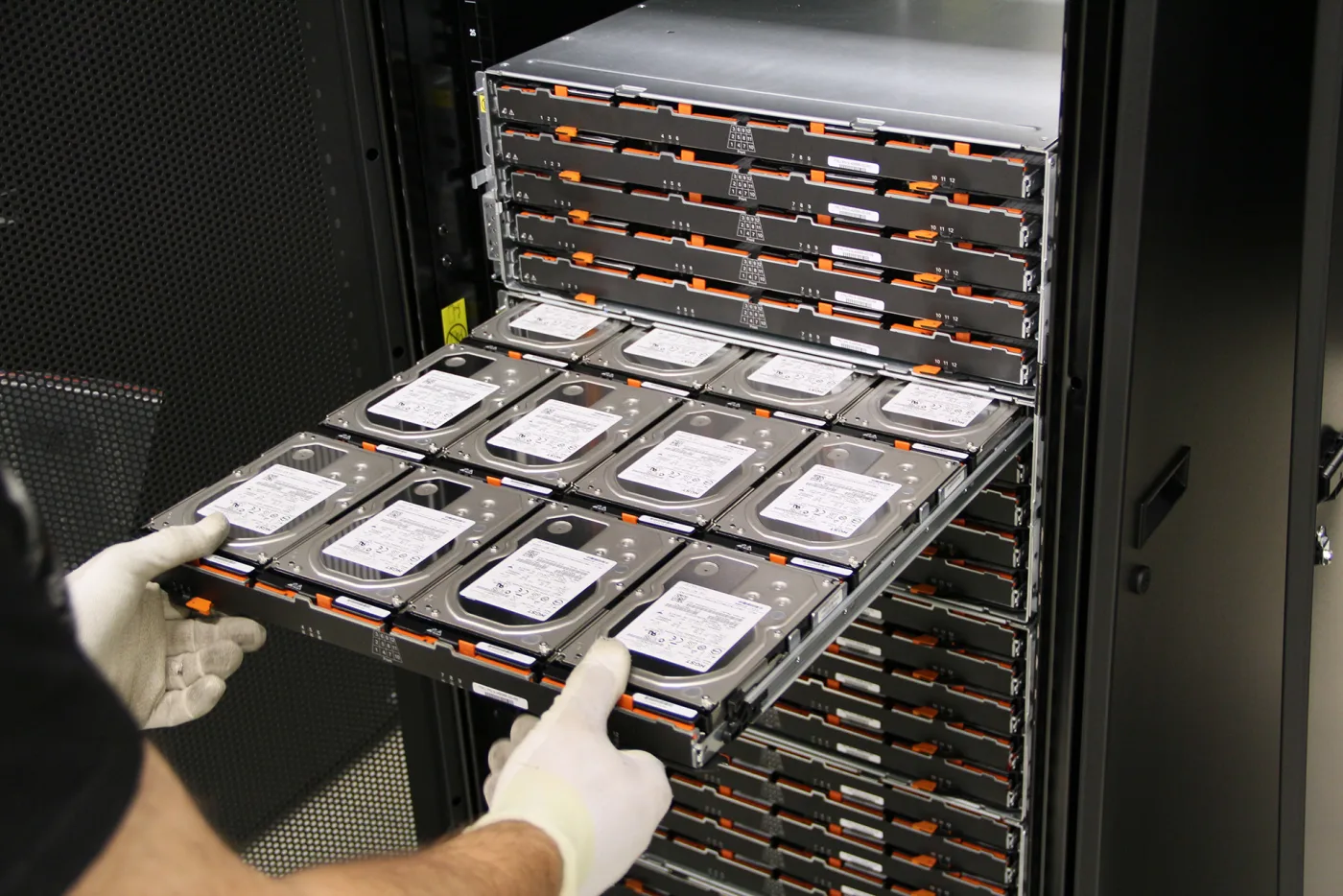
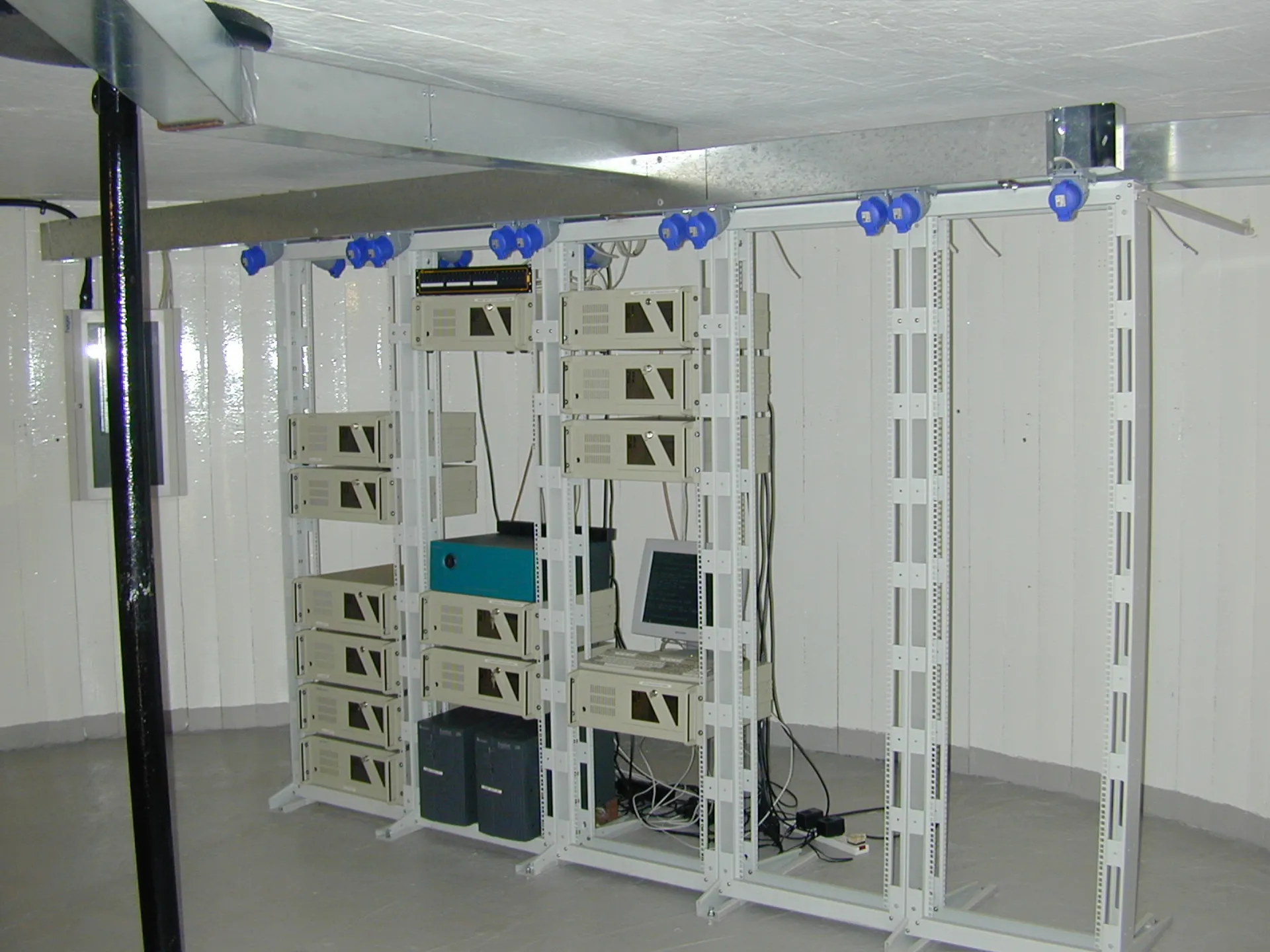
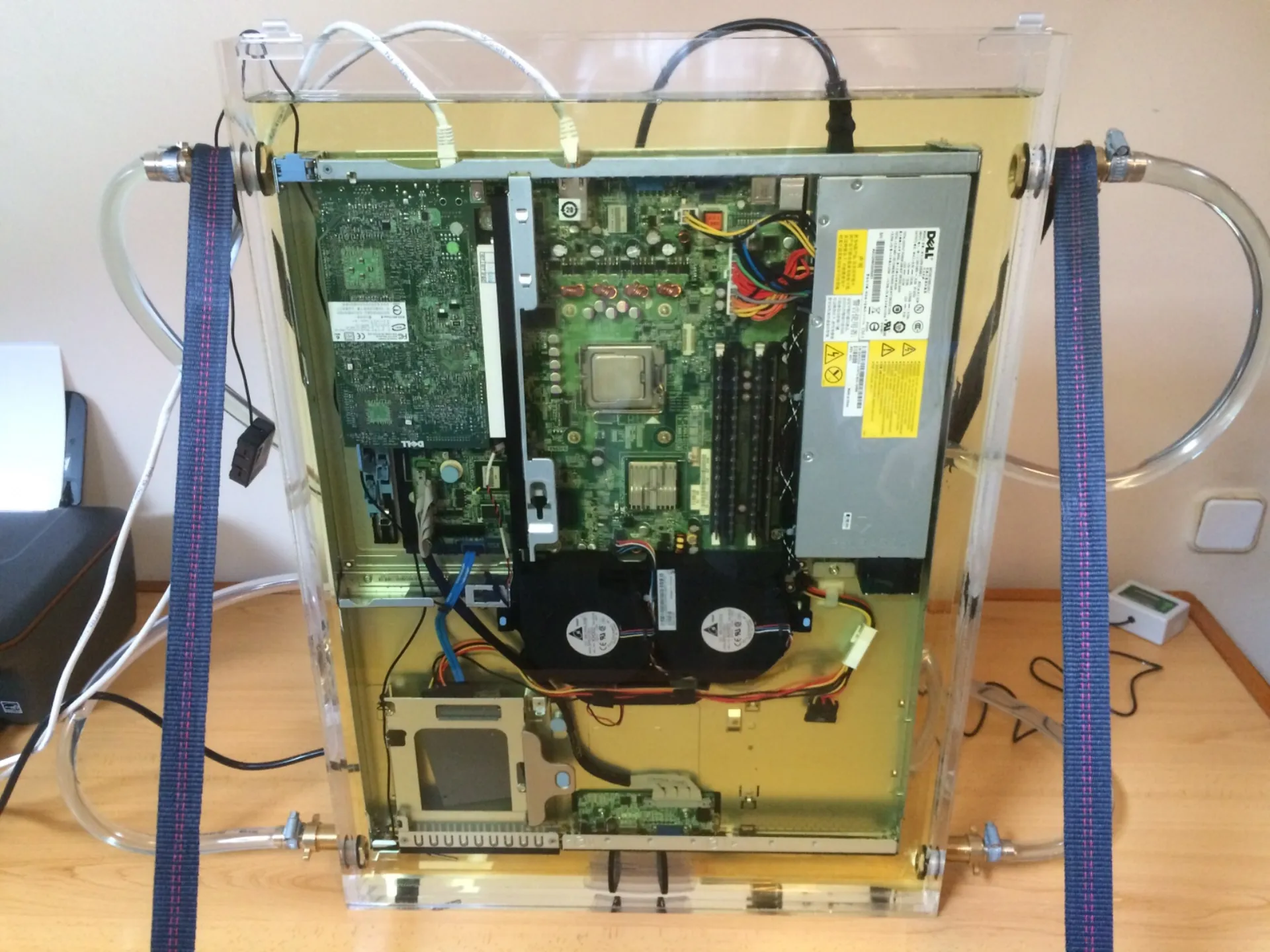
VMware vSAN is a hyperconverged storage approach that turns disk resources inside an ESXi cluster into a software-defined shared storage layer. The short answer is this: in the December 8, 2025 context, vSAN is a strong option for environments that want shared datastore behavior without operating a separate traditional SAN or NAS platform; however, it should never be treated as just “an easy way to combine disks” because cluster design, network quality, hardware compatibility, and storage policy design all directly shape the result. This guide is written for teams evaluating or explaining vSAN from first principles.
Quick Summary
- Broadcom vSphere API references list VSAN as one of the core datastore types.
- Broadcom’s vSAN Glossary defines the vSAN datastore in direct relation to cluster-backed shared storage behavior.
- Instead of relying on an external block or file storage platform, vSAN uses host-local storage resources inside the cluster.
- Capacity and performance planning in vSAN are tied to cluster architecture and storage policy, not only to raw disk count.
- vSAN moves storage operations much closer to the compute cluster instead of keeping storage fully separate.
- Because of that, choosing vSAN is not only a datastore decision. It is also an infrastructure-architecture decision.
Table of Contents
- What Exactly Is vSAN?
- Why Is vSAN Different from a Traditional SAN or NAS?
- How Does vSAN Work?
- Why Is Storage Policy So Important in vSAN?
- When Does vSAN Make Sense?
- What Are vSAN Best Practices?
- First 15-Minute Checklist
- Frequently Asked Questions
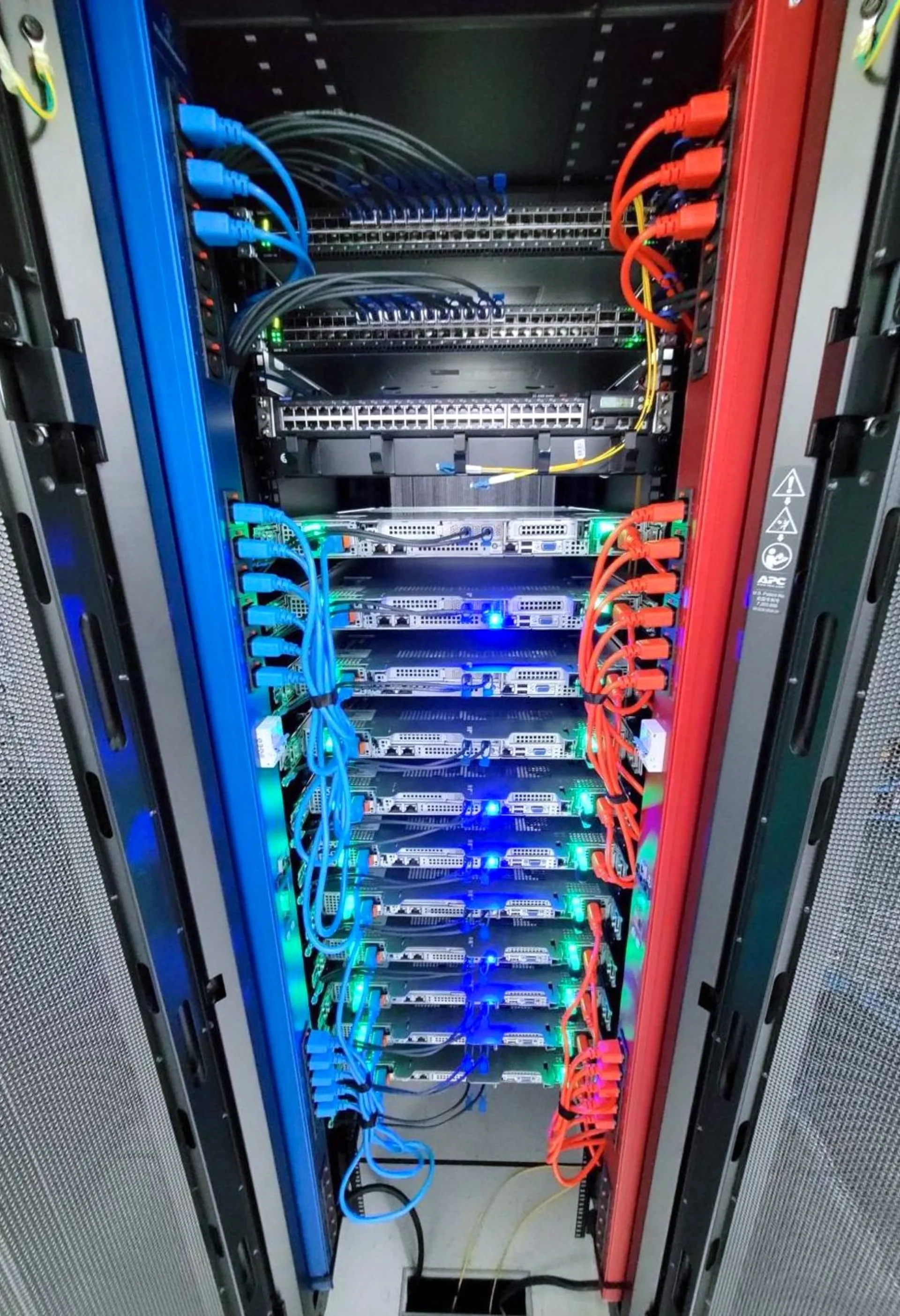
Image: Wikimedia Commons - Schleifenbauer PDU Power Distribution Unit in operation.
What Exactly Is vSAN?
vSAN is VMware’s software-defined storage layer that turns the local or directly attached storage resources of cluster hosts into a shared datastore experience. There is no separate external storage array at the center of the design. The storage behavior is created inside the cluster.
In practice, that means:
- VMs operate against a shared datastore model
- storage is managed at the cluster level
- resilience and placement are influenced by policy
vSAN is not just “pooling disks.” Its real value is that it makes storage part of cluster behavior itself.
Why Is vSAN Different from a Traditional SAN or NAS?
In a traditional SAN or NAS design, storage is usually a distinct platform or appliance layer. With vSAN, storage is much more tightly coupled to the compute cluster.
Operationally, that changes several things:
- the need to run a separate storage platform may decrease
- compute and storage growth are planned together more often
- storage policy and cluster health become more central
For some teams, that creates major simplicity. But it also means cluster design mistakes can directly affect storage behavior.
How Does vSAN Work?
At a high level, the logic is:
- eligible storage devices inside the cluster are used by vSAN
- those resources behave like a shared storage layer
- virtual machine objects are placed and protected according to policy
Broadcom’s vSAN Glossary shows why terms such as object, component, witness, fault domain, and storage policy are central to understanding vSAN. That is the clearest sign that vSAN does not behave like a single classic LUN or volume.
That is why understanding vSAN means looking beyond raw capacity and into policy-driven object placement.
Why Is Storage Policy So Important in vSAN?
In vSAN, storage policy is not a minor add-on. It sits near the center of the operating model. The protection, placement, and behavior expectations of a VM are shaped through policy.
That means:
- not every VM has to follow the same storage behavior
- critical workloads can carry different resilience expectations
- there is a direct relationship between protection level and capacity consumption
Running vSAN without understanding policy usually means treating it as a generic disk pool, which is the wrong mental model.
Related guides:
When Does vSAN Make Sense?
vSAN becomes especially compelling when:
- you do not want to operate a separate storage platform
- you want compute and storage growth to be planned together
- you want cluster-based, policy-driven storage operations
- you are moving toward a hyperconverged architecture
It is not automatically the best answer for every environment. If the goal is to keep storage more independent from compute, preserve a strong existing SAN investment, or maintain a separate storage-team operating model, traditional designs may still fit better.
What Are vSAN Best Practices?
1. Do Not Treat vSAN as Just “Internal Disks Becoming a Datastore”
vSAN is an architectural choice. Cluster design, networking, and policy all need to be considered together.
2. Plan Capacity Together with Policy Impact
As resilience expectations rise, usable capacity changes. Raw free disk and truly usable capacity are not the same thing.
3. Do Not Treat Cluster Networking as a Secondary Concern
vSAN storage behavior depends directly on cluster network quality. Storage quality is not measured by disk quality alone.
4. Validate Hardware and Compatibility Early
Host, disk, and driver choices should not be improvised. Compatibility needs to be checked early in the design phase.
5. Document Policy and Workload Classification
Teams should define which workloads need which protection and performance expectations. Putting every VM under one generic storage behavior usually leads to waste or risk.
First 15-Minute Checklist
- The team agreed that vSAN is an architecture choice, not only a datastore choice
- The cluster, host, and network design were reviewed for vSAN readiness
- Storage policy thinking was mapped to workload classes
- Expected raw capacity was separated from policy-adjusted usable capacity
- Hardware and driver compatibility were reviewed
- A test workload validated storage-policy and placement behavior
- Cluster-health and storage-health ownership were made explicit
Next Step with Leon-X
When designed properly, vSAN can provide a strong shared-storage model for hyperconverged infrastructure. Leon-X helps teams decide whether vSAN is truly the right architecture for them and how cluster, policy, and operational design should be shaped around it.
Related pages:
- Hardware & Software Sales
- Managed Services
- Contact
- What Is VMware VMFS?
- What Is a VMware NFS Datastore?
Frequently Asked Questions
What is VMware vSAN?
vSAN is VMware’s software-defined storage approach that turns cluster disk resources into a shared storage layer for ESXi hosts.
What is the main difference between vSAN and a traditional SAN?
The short answer is that a traditional SAN is a separate storage platform, while vSAN creates storage behavior from resources inside the cluster itself.
Why should vSAN not be treated as just another datastore type?
Because choosing vSAN also means choosing a storage architecture and an operating model, not only a mount target.
Why is storage policy so important in vSAN?
Because protection, placement, and some performance behavior are directly shaped through policy. Running every VM under one assumption is not the right model.
Is vSAN right for every environment?
No. vSAN is powerful, but it assumes a hyperconverged model with strong cluster, compatibility, and network discipline.
Conclusion
VMware vSAN is a strong hyperconverged option for vSphere environments that want shared storage behavior without running a separate traditional storage platform. In the December 8, 2025 context, the safe approach is to treat vSAN as a combined cluster, network, policy, and operational design decision rather than merely “a datastore made from internal disks.”