Structured Cabling System Installation
We install scalable and standards-compliant structured cabling systems that provide a reliable physical foundation for enterprise IT.
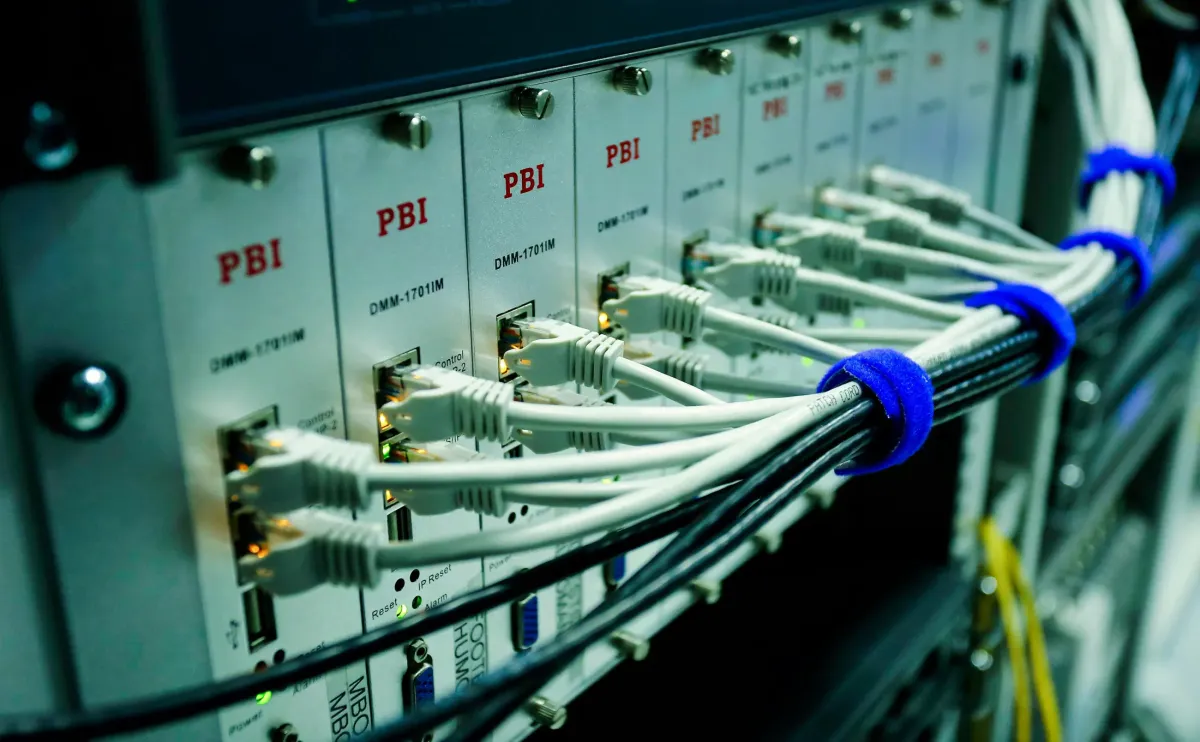
Outcomes You Can Expect
Physical infrastructure is strengthened, incident time is reduced, and future growth becomes easier to manage.
Cable lines are planned and installed according to recognized technical standards.
Validated terminations and optimized routes reduce connectivity disruption risk.
Infrastructure model is prepared for expansion of users, devices, and services.
How We Work
We deliver installation through survey, design, field deployment, and validation phases.
Office layout, floor structure, cabinet locations, and endpoint needs are assessed.
Line paths, patch panel architecture, and cabinet positions are designed for performance.
Copper/fiber deployment and termination are completed according to technical standards.
Line testing, labeling, and full infrastructure documentation are delivered to operations.
Cabling KPI Set
We monitor installation quality with continuity, quality, and readiness indicators.
Target for complete tested and validated line termination delivery.
Target continuity level at critical connectivity points.
Improved response readiness enabled by documented infrastructure mapping.
Regular reporting on cable health and improvement recommendations.
Frequently Asked Questions
Because stable IT services depend on a reliable and standards-based physical network layer.
Operational impact is minimized through phased rollout and controlled change planning.
Yes. A hybrid model can be designed to balance performance and cost goals.
Yes. Line mapping, termination details, and cabinet structure are fully documented.
Related Cabling Pages
Review infrastructure setup, labeling, and planning pages that complement cabling installation.
Standardize Your Enterprise Physical Infrastructure
Contact us for structured cabling installation and infrastructure modernization.
Posts Related to This Service
Review guides and implementation scenarios that support this subservice.

7 Most Common Mistakes Companies Make in 5651 Compliance (2026)
The 7 most common 5651 compliance mistakes: scope myths, missing DHCP/NAT, open Wi-Fi, disk-as-archive, NTP, mixing with KVKK, and buying by label.
Read Article
How to Combine Zero Trust with Law No. 5651 Compliance (2026)
Zero Trust and 5651 together: identity, segmentation, Captive Portal, NAT/DHCP logs, ZTNA, and the evidence chain in one architecture.
Read Article
Law No. 5651, Cybersecurity, and Evidentiary Value: An IT View (2026)
How IT should read 5651 logs for cybersecurity and evidentiary value: chain of custody, NTP, NAT/DHCP, timestamps, SIEM, and a practical checklist.
Read Article