Virtual Server Infrastructure Design and Resource Planning
We balance CPU, memory, storage and network resources based on workload profiles to optimize performance and cost.
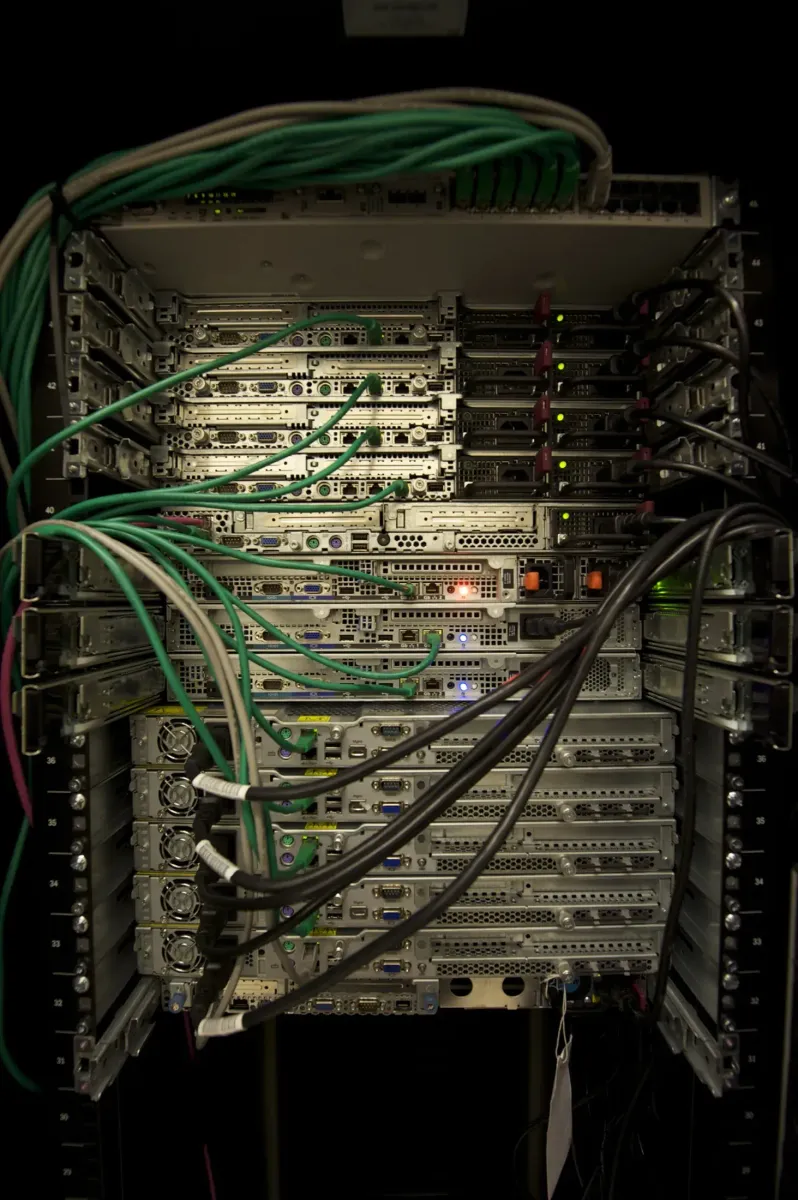
Operational Outcomes You Gain
We align resource planning with real workload and growth requirements.
CPU, memory and storage ratios are optimized across host and VM layers.
Capacity trends provide early visibility for expansion and procurement timing.
Over-allocation is reduced to control both infrastructure and licensing spend.
How We Work
Planning follows measurement, modeling, simulation and roadmap documentation phases.
Application-level CPU, memory, I/O and network demand is measured.
Oversubscription limits and reservation strategies are defined.
Failure, growth and peak usage scenarios are tested against capacity headroom.
Capacity expansion plan, thresholds and monitoring KPIs are documented.
Capacity and Efficiency Metrics
We monitor results through utilization balance and forecast accuracy.
Idle resource waste is reduced while host utilization quality improves.
Performance incidents in dense VM clusters are materially lowered.
Mid-term expansion demand becomes measurable and planable.
CPU ready, memory pressure and storage latency indicators are centrally monitored.
Frequently Asked Questions
We typically recommend at least 4-8 weeks of monitoring data for reliable modeling.
We compare VM usage patterns against reservation and limit policies to identify excess allocation.
Yes. We model hybrid capacity allocation and cost impact across both layers.
Yes. We deliver topology, resource policy and growth roadmap documentation in operations-ready format.
Related Virtualization Services
Strengthen architecture outcomes with platform selection, deployment and continuity optimization.
Build a Smarter Capacity Plan for Virtual Infrastructure
Create a balanced model for performance, resilience and cost across your critical workloads.
Posts Related to This Service
Explore technical guides and decision-support content connected to this solution.
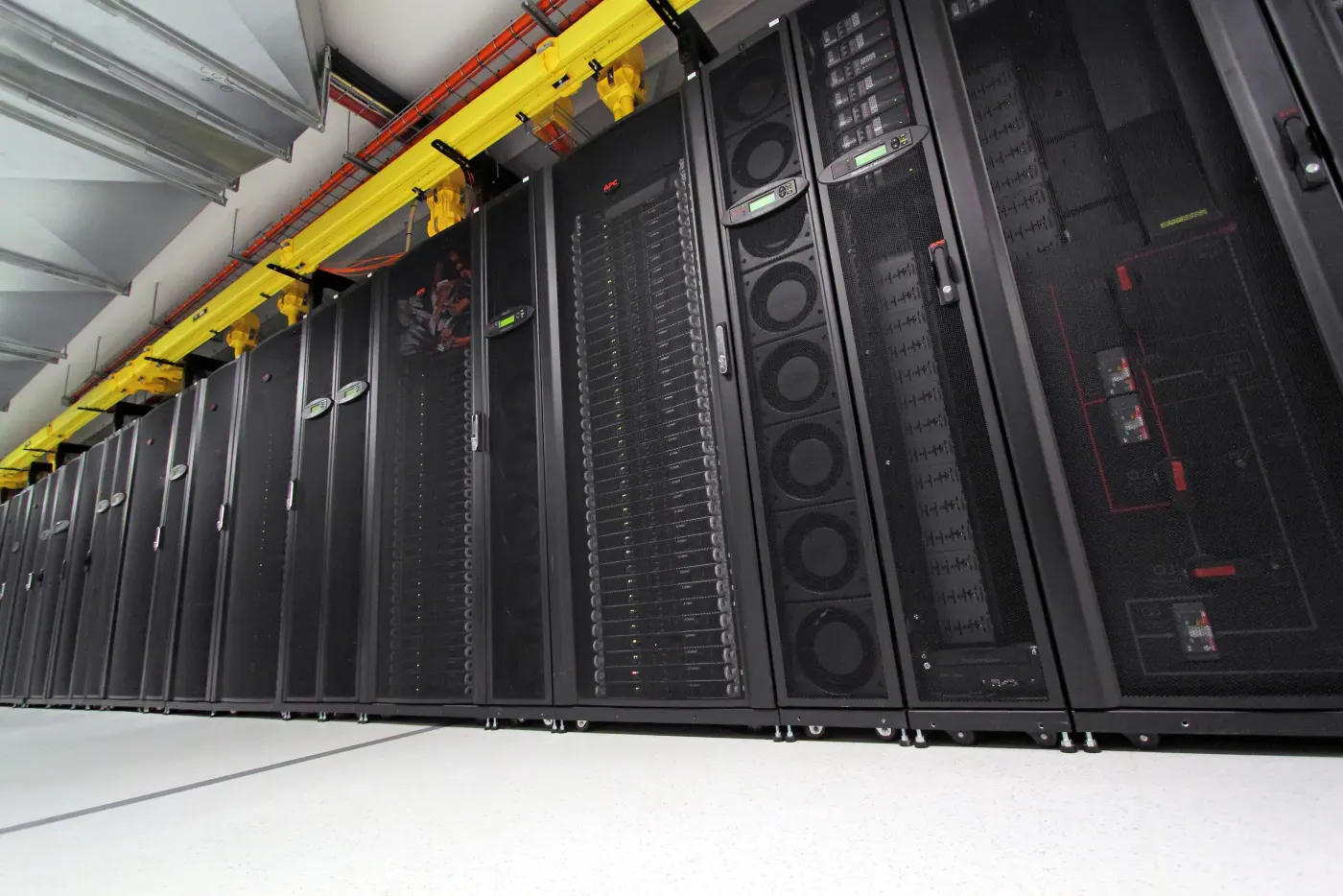
Dell Server Enterprise Topology Design Guide
A practical enterprise topology design guide for Dell PowerEdge servers across compute, management, network, storage, HA, security, and OpenManage lifecycle layers.
Read Article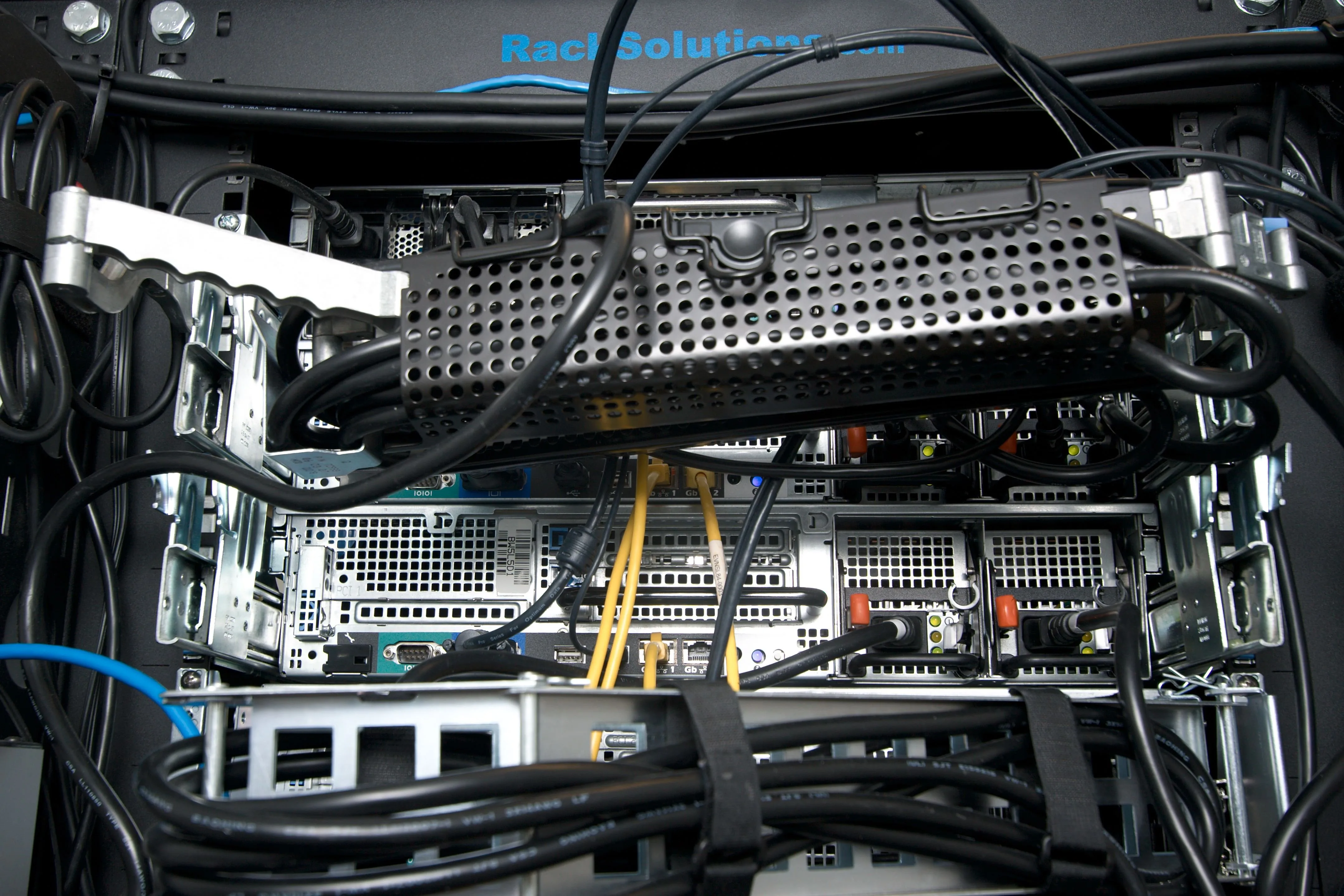
Dell Server High Availability Design Guide (2026)
A practical guide to high availability design for Dell server environments, covering redundant power, hot-swap components, cluster architecture, storage paths, and observability.
Read Article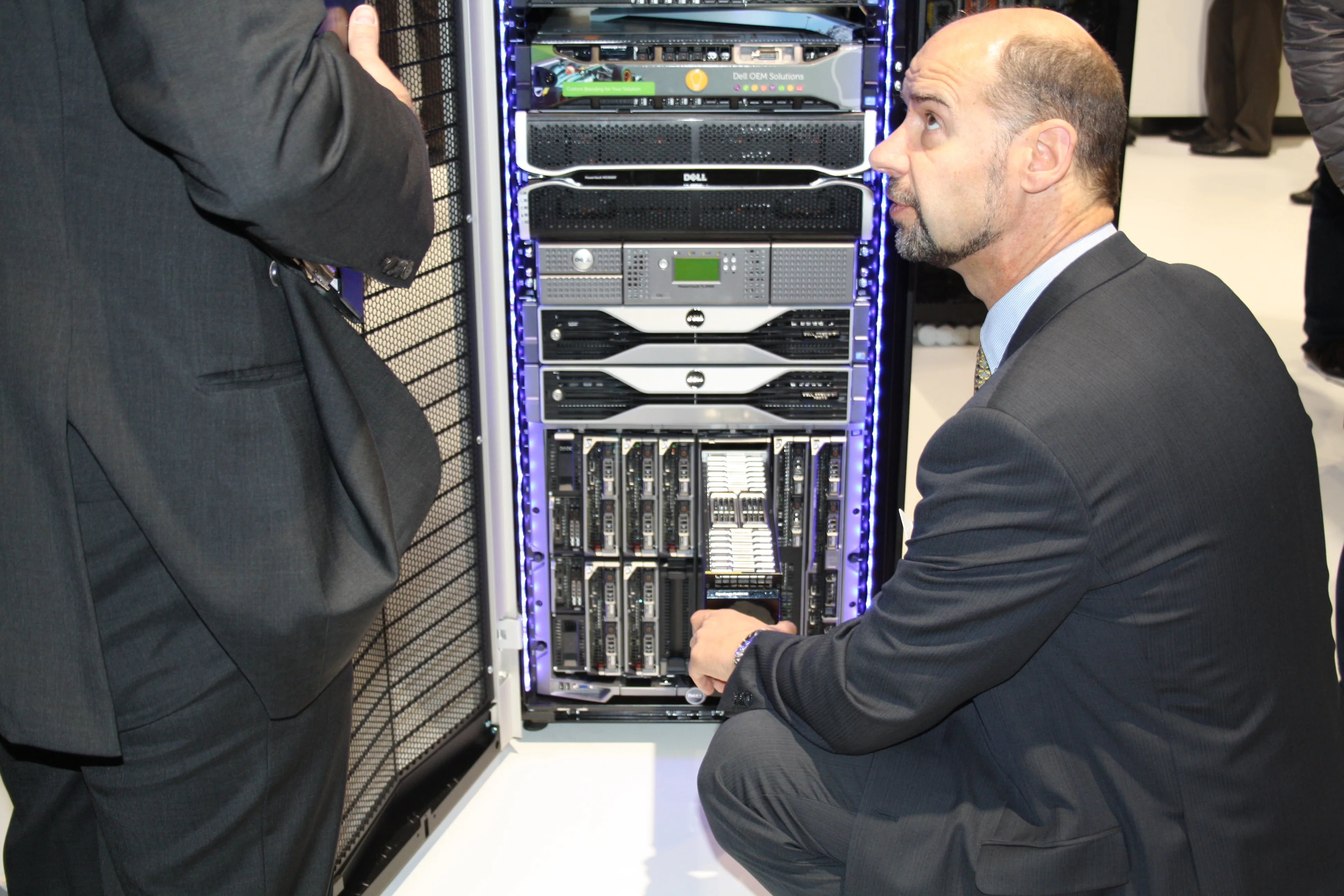
Dell Server Datacenter Design Guide: Rack, Power, and Cooling (2026)
A practical Dell server datacenter design guide covering rack planning, rail compatibility, power budgeting, cooling strategy, cabling, and management visibility.
Read Article