Operating System Performance Monitoring and Troubleshooting
We continuously track CPU, memory, disk and service behavior to detect bottlenecks early and resolve root causes permanently.
Operational Outcomes You Gain
Continuous monitoring improves system stability and reduces incident impact.
Resource usage anomalies are identified before they escalate into major service incidents.
We apply RCA workflows to eliminate recurring issues instead of temporary fixes.
Alarm thresholds and corrective actions improve system continuity and runtime stability.
How We Work
We operate through a cycle of baselining, centralized monitoring, incident handling and optimization.
Normal resource consumption ranges and threshold policies are defined for each workload class.
System telemetry is centralized and related alerts are evaluated as one incident stream.
Priority incidents are handled with structured root-cause analysis backed by logs and metrics.
Findings are translated into capacity, configuration and preventive maintenance improvements.
Performance Operations Metrics
We measure outcomes through detection time, stabilization speed and recurring incident reduction.
Target detection window for high-impact performance anomalies.
Target time for first stabilization action on priority performance incidents.
Target decrease in repeat incidents after RCA and corrective improvements.
Recurring reports on performance trends, root causes and optimization status.
Frequently Asked Questions
Yes. We deliver both continuous monitoring and active incident response for priority events.
Yes. Critical incidents include RCA output with impact mapping and permanent action recommendations.
Yes. We coordinate across operating system, database and application layers for end-to-end resolution.
Yes. Monitoring data is translated into CPU, memory, storage and I/O capacity planning actions.
Related Operating System Services
Strengthen performance operations with deployment standards and patch governance.
Reduce OS Performance Incidents Permanently
Let us build a monitoring and root-cause response model that improves system stability over time.
Posts Related to This Service
Review current blog guides and implementation content linked to this service operation.
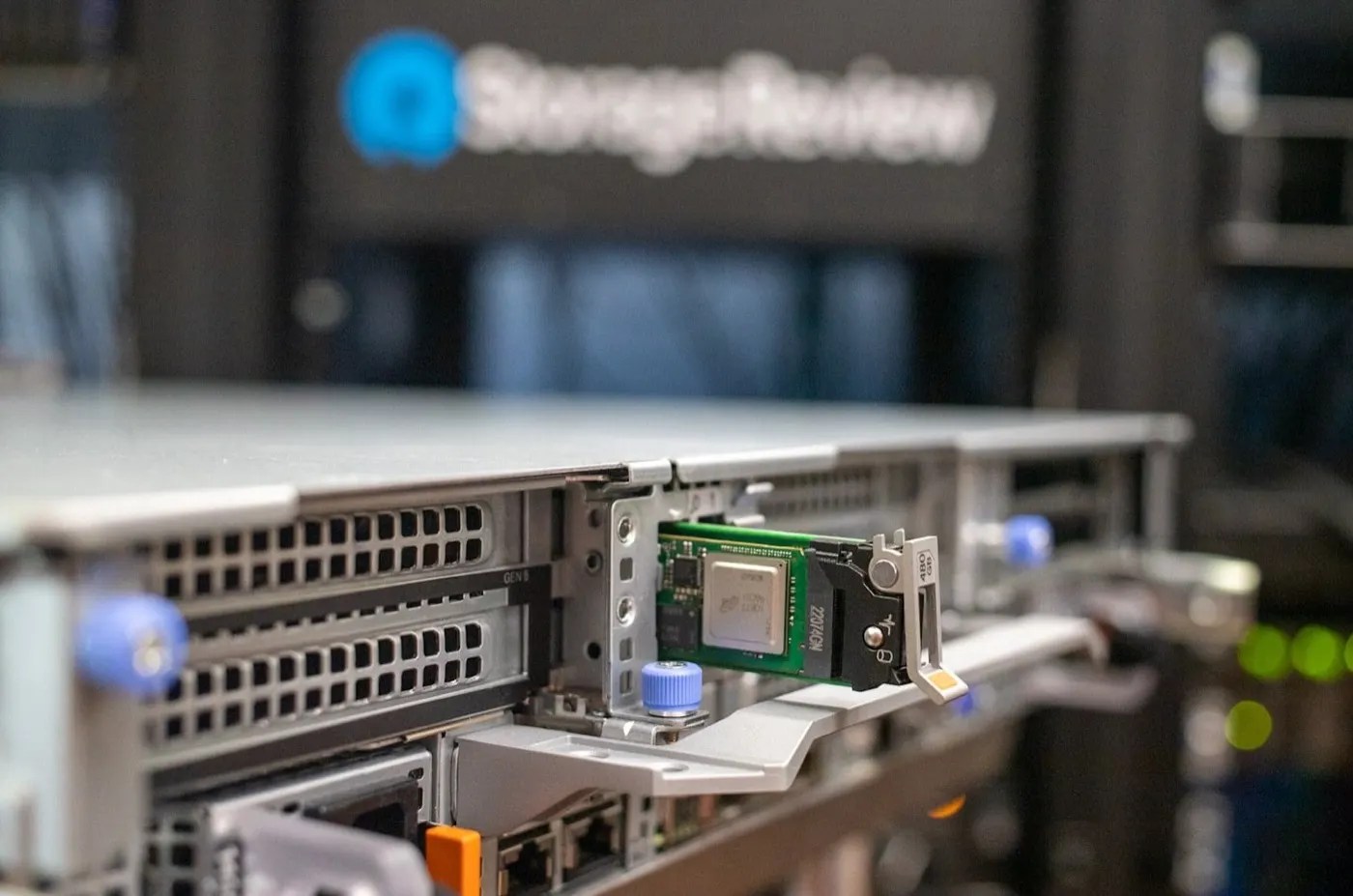
Dell Server Firmware Incompatibility: How to Fix It (2026)
Dell PowerEdge firmware incompatibility: wrong package, generation/catalog errors, iDRAC downgrade RAC0181, dependency order, and safe baseline alignment playbook.
Read Article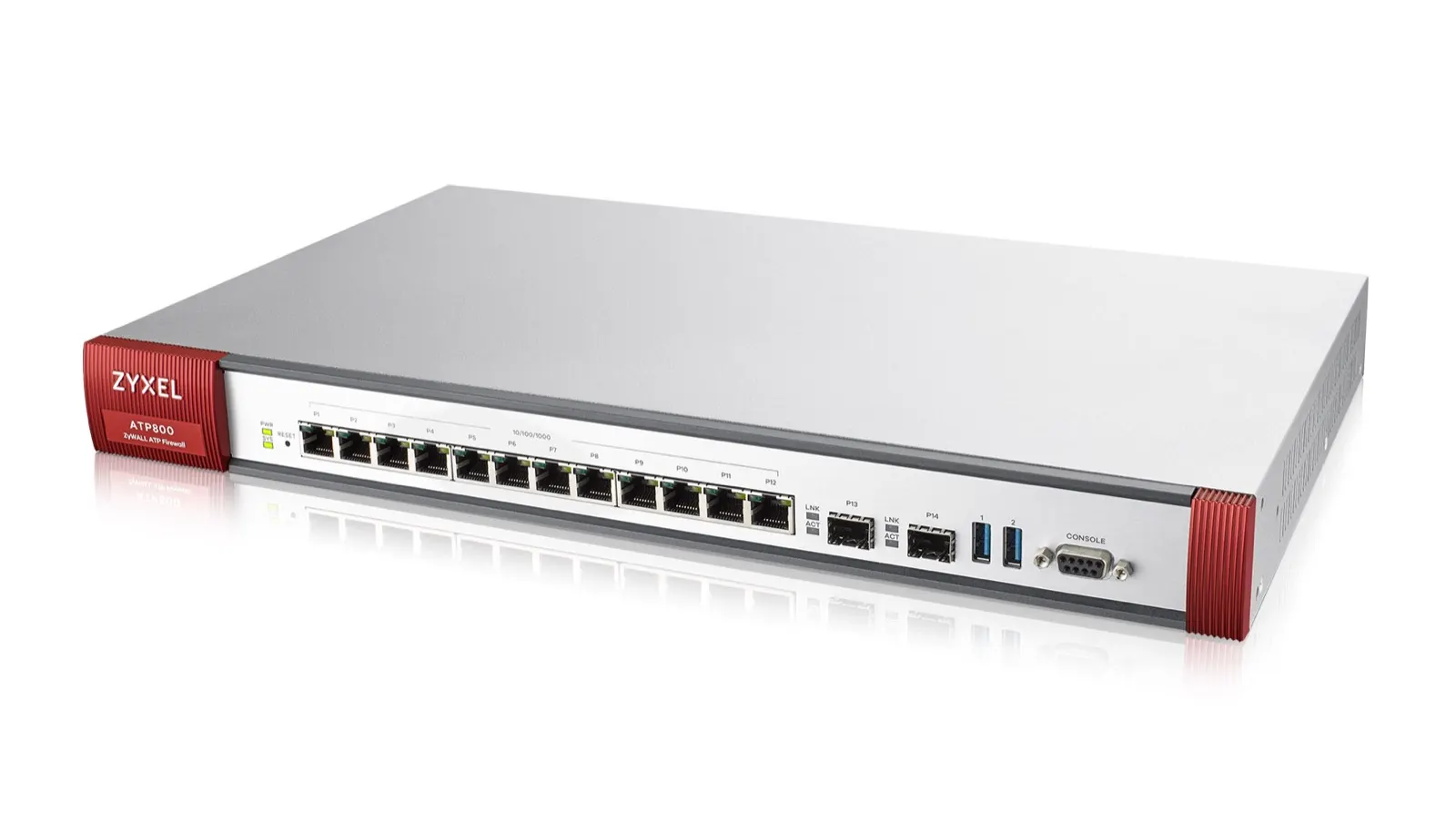
How to Configure FortiGate Logging: Syslog, Disk, and FortiAnalyzer (2026)
How to set up FortiGate logging: traffic/event/security logs, disk vs syslog, FortiAnalyzer, retention, and practical settings for 5651/ISO 27001 evidence.
Read Article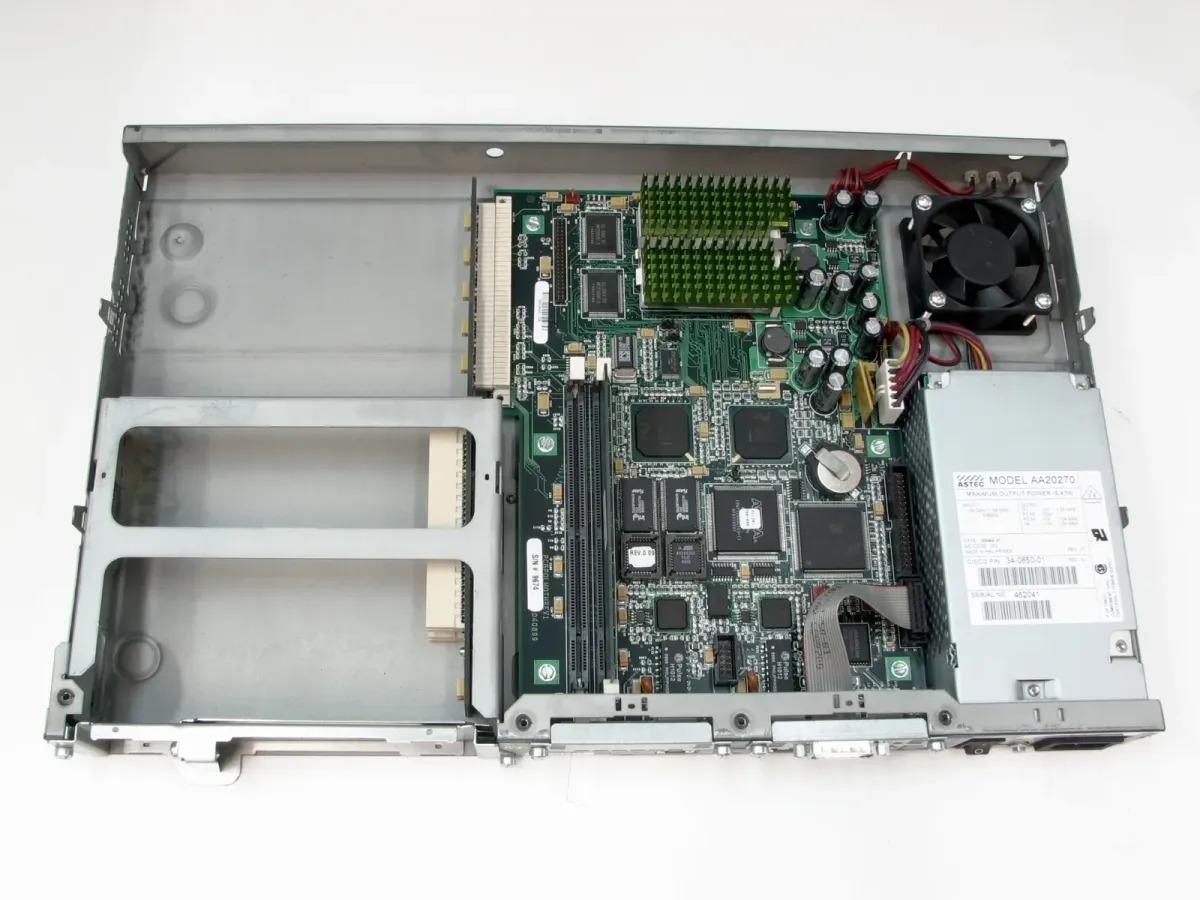
How to Update FortiGate Firmware Safely (2026 Guide)
FortiGate firmware update steps: version selection, backups, maintenance windows, GUI/TFTP install, HA nonstop upgrades, and rollback readiness.
Read Article