Dell storage NVMe architecture means reading NVMe as a media → array data path → host protocol chain—not just “a fast SSD.” Short answer: modern Dell arrays (especially PowerStore / PowerMax) use NVMe internally; end-to-end performance also needs host NVMe/FC or NVMe/TCP (NVMe-oF) and correct multipathing. If the host path stays SAS/SCSI, the “NVMe disk” claim is only half true. Fabric depth: What Is NVMe-oF?. Media layer: Tier Architecture. Server slots/boot: PowerEdge NVMe Install.
This guide is written for:
- Storage architects who must not confuse array NVMe with host NVMe-oF
- Teams choosing protocols on PowerStore / PowerMax refresh projects
- Operations explaining latency/IOPS targets via queue architecture
- IT leaders splitting “we bought NVMe but it’s still slow” into layers
Quick Summary
- NVMe = PCIe/NVMe command set; many queues, lower protocol overhead vs SCSI.
- Drive NVMe ≠ front-end NVMe-oF—different layers.
- PowerStore: end-to-end NVMe positioning + block FC / NVMe/FC / iSCSI / NVMe/TCP.
- PowerMax: enterprise NVMe + NVMe-oF for mission-critical.
- Typical gains: higher parallelism, lower latency—but bad fabric/host erases them.
- Measure array µs vs host ms — Latency Analysis.
- Tier: TLC/QLC/SCM roles inside the NVMe family — PowerStore Disk/Tier.
Table of Contents
- What Is NVMe Architecture?
- Three Layers: Media, Array, Host
- NVMe vs SAS/SCSI (Short)
- NVMe in the Dell Portfolio
- Design Considerations
- Common Mistakes
- Checklist
- Next Step with Leon-X
- Frequently Asked Questions
- Sources

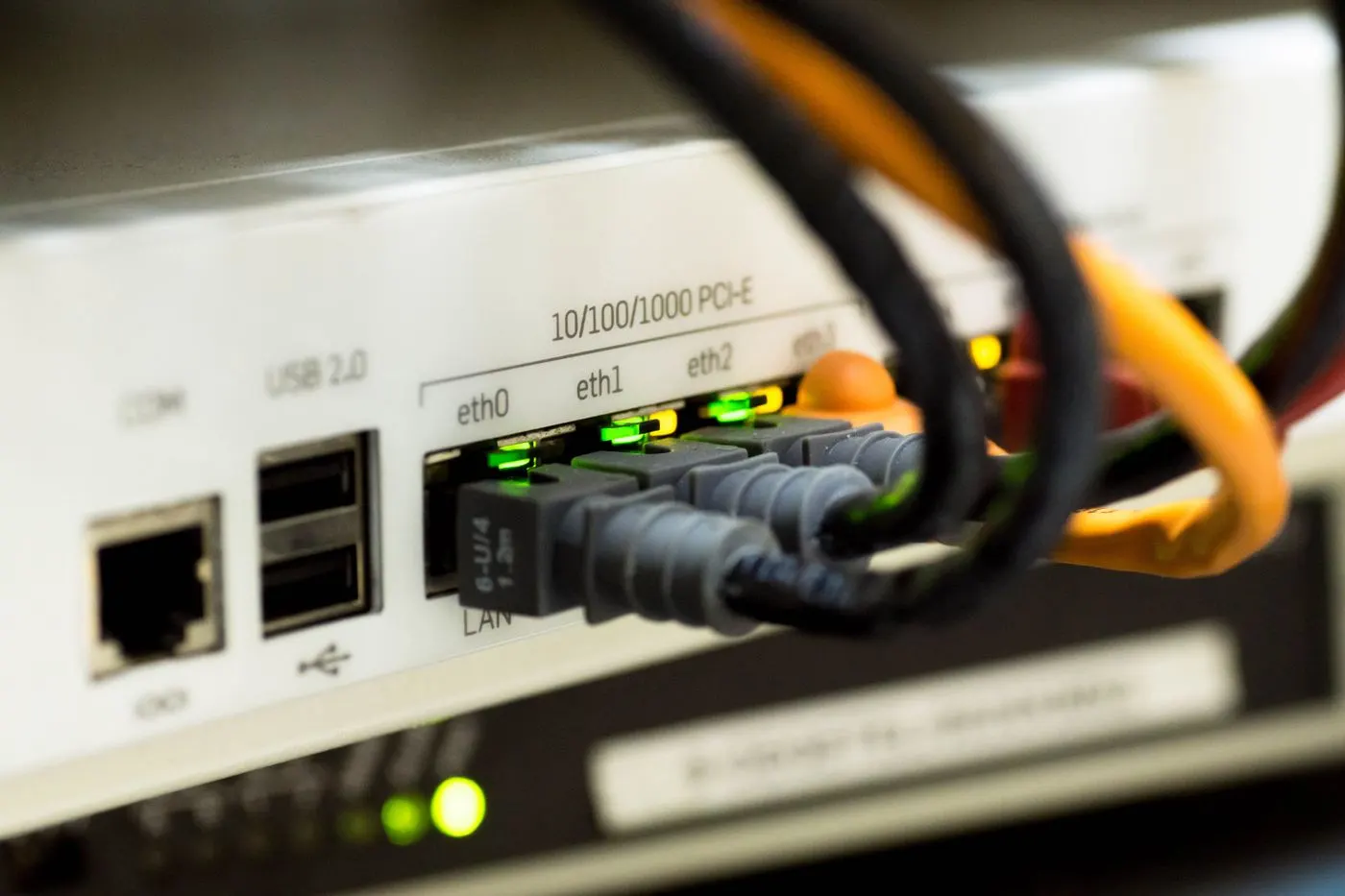
Image: Pexels - Server racks in a data center (NVMe storage / DC context).
What Is NVMe Architecture?
NVMe (Non-Volatile Memory Express) addresses flash/SCM media with the NVMe command set and multiple submission/completion queues—not SCSI emulation. In storage, “architecture” answers three questions together:
- Is the media NVMe?
- Is the array data path NVMe?
- Is host access still SCSI (FC/iSCSI), or NVMe-oF?
Short definition: Dell storage NVMe architecture designs a consistent low-latency / high-parallelism chain from NVMe media and data path through to the host (via NVMe-oF when required).
Three Layers: Media, Array, Host
Host (ESXi/Linux)  -- NVMe/FC | NVMe/TCP | FC/iSCSI --
        Array front-end
        Array NVMe data path + CPU/DRE
        NVMe SSD / SCM / NVRAM
| Layer | Question | Dell example |
|---|---|---|
| Media | Is the drive NVMe? | PowerStore NVMe SSD/SCM/NVRAM |
| Array | Is the internal path NVMe? | PowerStore/PowerMax NVMe platforms |
| Host | Is the protocol NVMe-oF? | NVMe/FC, NVMe/TCP — NVMe-oF |
Media-only NVMe with host iSCSI/FC-SCSI is “half NVMe”—still valuable, but weaker as an end-to-end claim.
NVMe vs SAS/SCSI (Short)
| NVMe | Classic SCSI/SAS path | |
|---|---|---|
| Queues | Thousands of queues / high depth | Limited SCSI queue model |
| Overhead | Lower | Heavier command path |
| Typical goal | Low latency, high IOPS | Legacy compatibility |
| Fabric | PCIe (internal) or NVMe-oF (external) | FC/iSCSI SCSI |
PowerEdge in-server NVMe install is a separate guide — PowerEdge NVMe.
NVMe in the Dell Portfolio
PowerStore
- Product language: end-to-end NVMe, active-active nodes
- Block protocols: FC, NVMe/FC, iSCSI, NVMe/TCP (+ vVols)
- Media roles in the NVMe family — Disk/Tier
- Architecture: What Is PowerStore?
PowerMax
- Enterprise NVMe + NVMe-oF mission-critical positioning
- Plan protocols with SRDF/DR — PowerMax · vs PowerStore
PowerScale
- Scale-out NAS; Ethernet front-end (NFS/SMB); internal media may be NVMe all-flash (F-series)
- Here “NVMe architecture” is mostly node media + front-end bandwidth, not block NVMe-oF — Use cases
Design Considerations
- Host stack: OS/driver, multipath (NVMe), HBA/NIC firmware
- Fabric: NVMe/FC zoning vs NVMe/TCP VLAN/MTU — NVMe-oF
- CPU / DRE: Array saturation can arrive before media limits — Performance
- Tier: QLC NVMe ≠ TLC latency — Tier Architecture
- Units: Array µs, guest ms — Latency
Pro Tip: After “we bought an NVMe array,” verify first: does the host show a real NVMe subsystem, or a SCSI disk?
nvme list/ ESXi device path type does not lie.
Common Mistakes
- Treating drive NVMe and NVMe-oF as the same thing
- Claiming “end-to-end NVMe” on an iSCSI SCSI path
- Blaming media for MTU/path faults
- Forcing QLC onto hot OLTP
- Copying the server NVMe guide onto array design
- Skipping peer host drivers in firmware/NDU — Firmware Update
Checklist
- Media NVMe (product/SKU) confirmed.
- Array NVMe data path (PowerStore/PowerMax) clear.
- Host protocol chosen: SCSI or NVMe-oF?
- Multipath / HBA-NIC firmware compatible.
- Fabric (FC or Ethernet) capacity/MTU planned.
- TLC/QLC/SCM matched to workload.
- Baseline latency/IOPS measured.
- VMware path type verified (if applicable).
- DR/replication peer protocol considered.
- Performance complaints split by layer.
Next Step with Leon-X
Leon-X designs NVMe storage architecture across media + protocol + measurement via Storage Capacity Planning and Performance Optimization. Discovery: Contact Us.
Frequently Asked Questions
If the array is NVMe, must the host use NVMe-oF?
Not mandatory; FC/iSCSI still works. For end-to-end low latency, prefer NVMe-oF — NVMe-oF.
NVMe/FC or NVMe/TCP?
Existing FC investment → NVMe/FC; Ethernet simplification / cost → NVMe/TCP. Both are NVMe-oF.
Does PowerScale offer NVMe-oF?
Typical focus is NFS/SMB; NVMe there is mostly in-node media. Block NVMe-oF is the PowerStore/PowerMax story.
Is NVMe always faster?
Potential is high when media and path are right; saturated CPU, bad multipath, or wrong QLC use erase gains.
How does server NVMe differ from storage NVMe?
Server: local PCIe/backplane. Storage: shared array + fabric. Install: PowerEdge NVMe.